Grinders, brewers and a kettle for someone who takes the morning cup seriously, all built to be used every day for years.
Better coffee starts at the grinder, which is why two hand grinders lead this guide: burrs that hold their setting, no motor to wear out, and a cup that tastes like the beans rather than the blade.
The rest are brewers and kit that have barely changed in decades because nothing needed changing: glass, steel and a stovetop pot that has made the same coffee since 1933.
Black Friday is 27 November 2026 and Christmas follows. These are
gifts that last, so the guide holds whenever you shop. Listings last checked undefined undefined NaN.
Some buy links are affiliate links. If you buy through one we may earn a
commission, at no extra cost to you.
How this is funded.
The grinder the rest of this page is measured against, built in Germany around a high-nitrogen steel burr and a beech or glass catch jar. It costs two to three times what the others do and the argument for it is the burr and the build rather than any feature.
An aluminium body, a steel shaft running in bearings and a hardened conical burr, with no motor and no circuit anywhere in it. The failure a hand grinder has is a burr that dulls after years of use, which is a part rather than the end of the grinder.
Peter Schlumbohm designed this in 1941 and it has not been redrawn since. It is one piece of borosilicate glass with a wooden collar and a leather tie, which means there is nothing to wear out, nothing to gasket and nothing that stops working when a part is discontinued. The Museum of Modern Art keeps one in its permanent collection, which is a reasonable proxy for a design having stopped changing.
Water temperature is the one variable every brewer on this page depends on and none of them controls, which is what earns a kettle a place here. This one holds five settings from 40 to 100 degrees and remembers the last one you used, so the 93 to 96 degrees that filter coffee wants is a button rather than a guess. The body is stainless steel and double walled, with plastic only in the inner lid. Be clear about what limits its life: the element and the temperature board are not parts you can replace, so this will not outlive a glass cone. The five year warranty, which is long for a kettle, is what makes it worth the money anyway.
Five preset temperatures, 40 to 100 degrees
Remembers your last setting
Double walled stainless steel, plastic only in the inner lid
Designed by Alfonso Bialetti in 1933 and barely redrawn since, which makes it one of the few objects on this list older than the brands around it. The only wear parts are the rubber gasket and the filter plate, both of which cost a few dollars and are sold everywhere, so a pot that stops sealing is a five minute fix.
The same two tubes and a seal as the original, shortened to fit inside its own mug so the whole brewer travels as one object. The seal is the only part that wears and AeroPress sells it on its own.
A stainless canister with an inner lid that pushes down onto whatever is inside and forces the air out through a one way valve, which is the only mechanical way to store coffee without a pump or a pack of absorbers. The valve is the sole moving part, there is no battery and no cartridge, and the body is the same steel as a good pan.
Two walls of titanium with a vacuum between them, which keeps coffee hot without the mug becoming too hot to hold, and stacks inside its siblings so a set takes the space of one. Titanium does not hold flavour, which on a mug that will see coffee, soup and whisky over thirty years is the point.
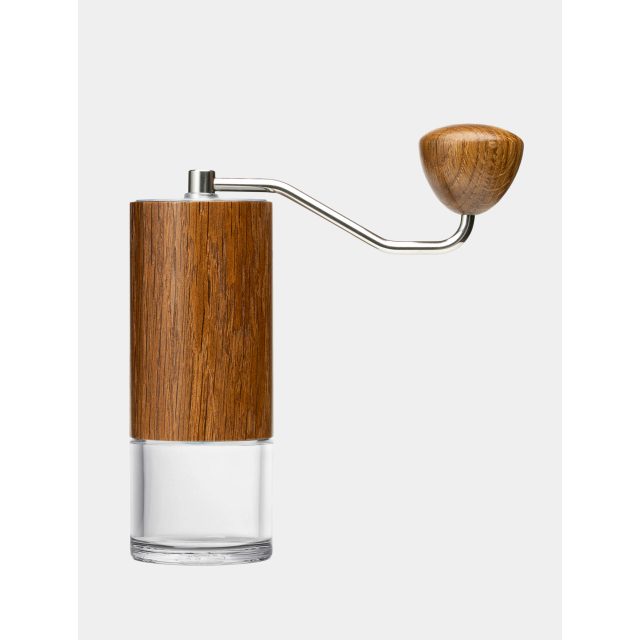 Product photograph, Comandante
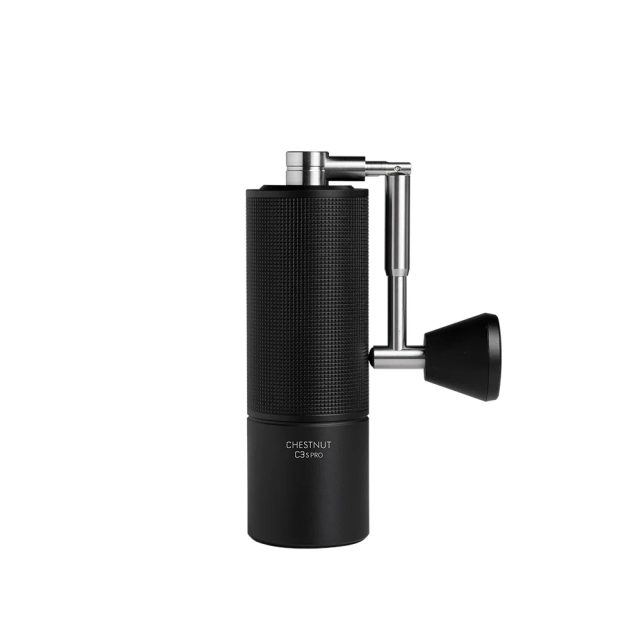 Product photograph, Timemore
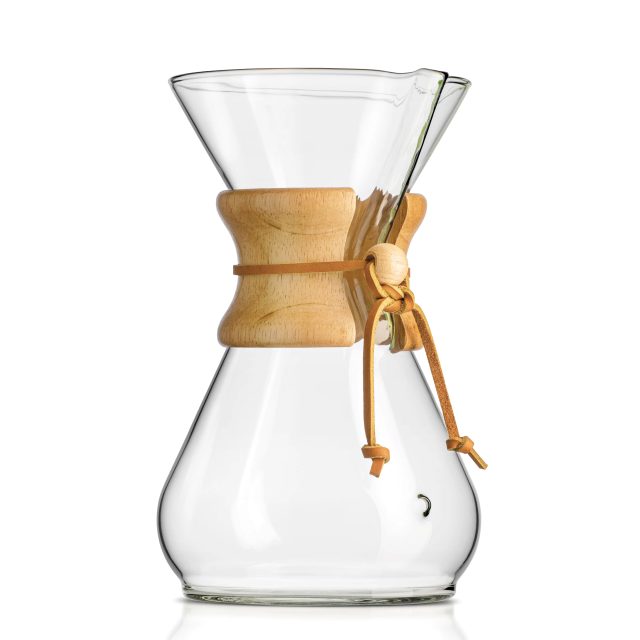 Product photograph, Chemex
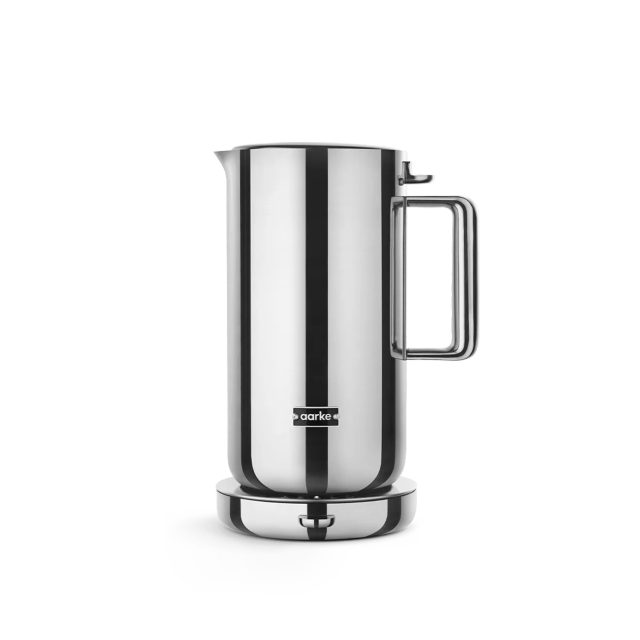 Product photograph, Aarke
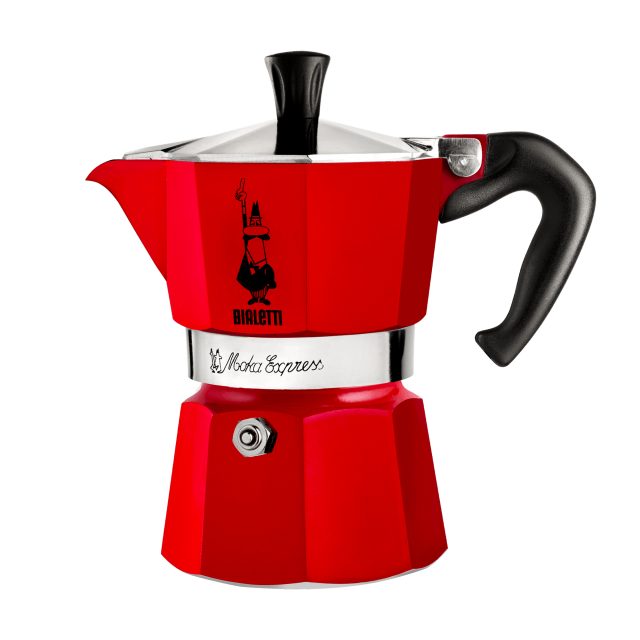 Product photograph, Bialetti
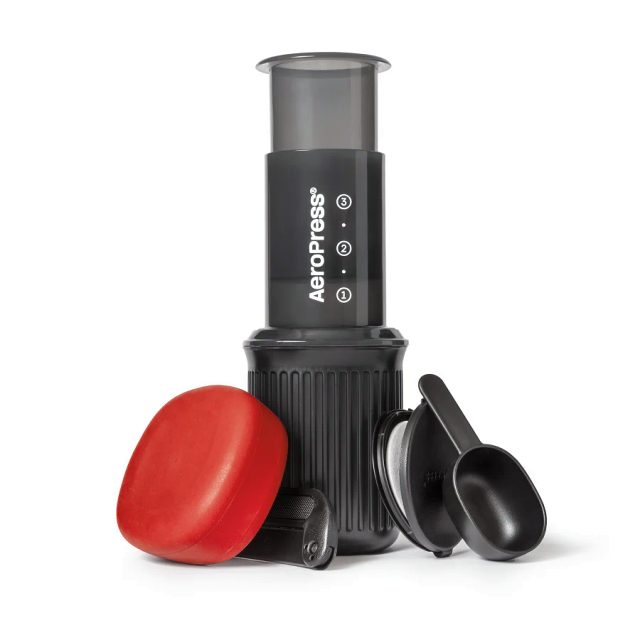 Product photograph, AeroPress
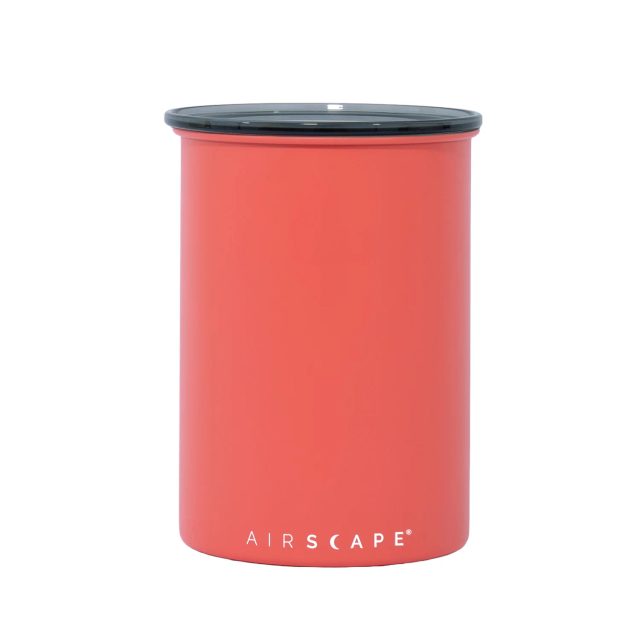 Product photograph, Planetary Design
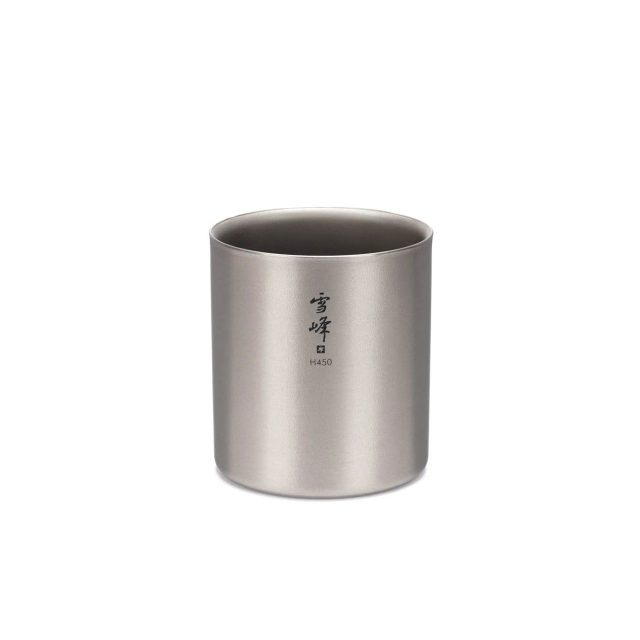 Product photograph, Snow Peak