Brewers where nothing plastic touches the water, the grounds or the coffee.
One rule decides this page: nothing plastic in the brew path. Not the cone, not the carafe, not the filter basket, not the plunger seal. Glass, steel and ceramic only, from the moment the water goes in to the moment the coffee comes out.
Some buy links are affiliate links. If you buy through one we may earn a
commission, at no extra cost to you.
How this is funded.
At a glance: Plastic-Free Brewers picks compared, with buy links
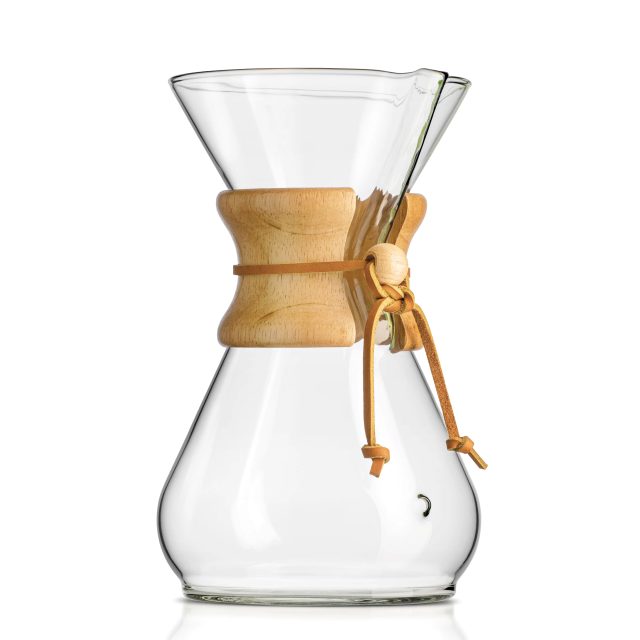
Peter Schlumbohm designed this in 1941 and it has not been redrawn since. It is one piece of borosilicate glass with a wooden collar and a leather tie, which means there is nothing to wear out, nothing to gasket and nothing that stops working when a part is discontinued. The Museum of Modern Art keeps one in its permanent collection, which is a reasonable proxy for a design having stopped changing.
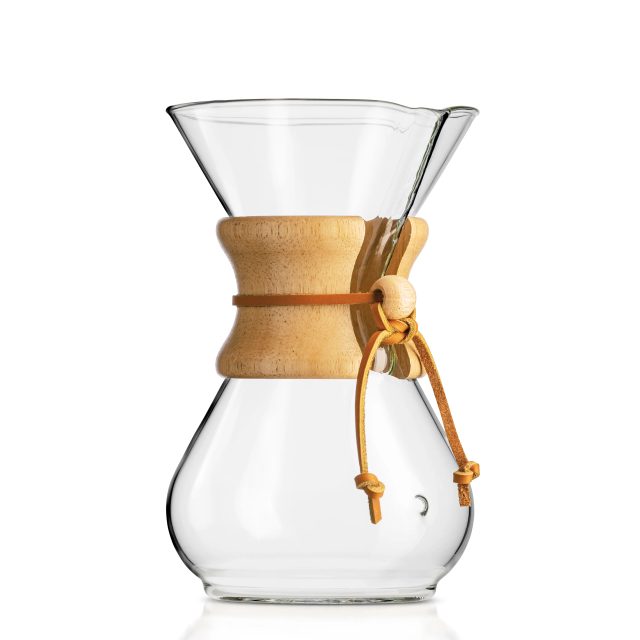
The smaller of the two Chemex sizes on this page, and the one that suits two cups rather than a table. Borosilicate glass with a wooden collar and a leather tie, which is the entire parts list: nothing to perish, nothing to descale, and the only breakable part is the one you can see.
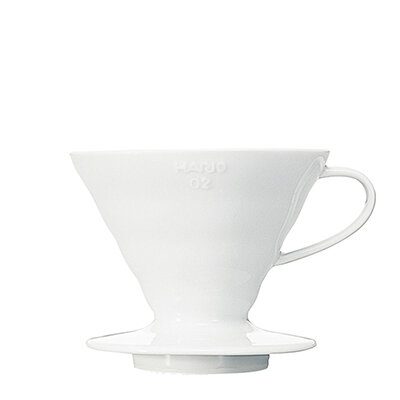
Porcelain fired in Japan, with a 60 degree cone and spiral ribs that are the entire mechanism: there is nothing to wear, nothing to replace and no moving part to seize. Ceramic holds heat better than the plastic version and will survive being dropped exactly once, which is the trade.
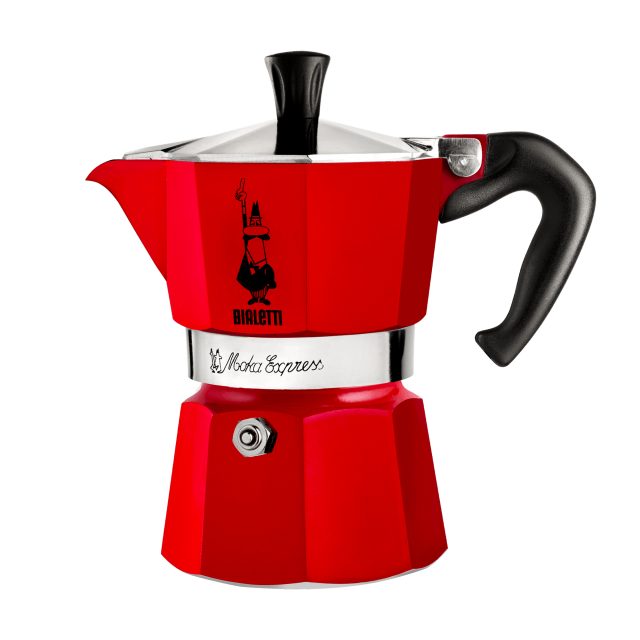
Designed by Alfonso Bialetti in 1933 and barely redrawn since, which makes it one of the few objects on this list older than the brands around it. The only wear parts are the rubber gasket and the filter plate, both of which cost a few dollars and are sold everywhere, so a pot that stops sealing is a five minute fix.
A ceramic cone and a glass server, which between them contain no moving parts at all. Ceramic holds heat better than the plastic version and will not stain or scratch the way plastic does over years of use. Hario has made the V60 since 2004 and the 02 size filters have not changed.
A pressed steel cone with three holes in a flat bottom, made in Japan, and apart from the grip on its handle that is the whole object. Nothing plastic goes near the water. There is no valve, no gasket and no part that can go out of production, and unlike the ceramic and glass drippers it competes with it does not care about being dropped or about going from a cold cupboard to boiling water. The one honest catch is the filter: the flat-bottomed wave papers are specific to this cone, so you are tied to buying them.
All stainless, no electronics, no paper, and a permanent filter basket, so there is nothing in it to consume or replace. It works on a stove or over a fire, which is the argument: the only parts are a basket, a stem and a glass knob, and a percolator that old design has nothing left to go wrong.
Designed in 1958 and still built the same way: a borosilicate carafe in a stainless steel frame, with a three-part plunger that unscrews for cleaning. Every part that can break is sold separately, including the carafe itself, so the usual end of life for one of these is a dropped beaker and a ten dollar replacement rather than a new press.
The failure mode of every other french press is the beaker, and this one does not have a beaker. It is double-walled stainless throughout, so the thing that usually ends a press, a knock against the tap and a carafe full of glass, cannot happen. The double wall also keeps the pot hot without a cosy, and the two-stage screen filter puts almost nothing in the cup.
No glass to break, steel throughout
Double-walled, holds heat without a cosy
Two-stage screen filter, almost no sediment
Dishwasher safe
Made since 1988
Weekly email
New picks, once a week.
One email a week with new picks. Unsubscribe any time.
Privacy.
 Product photograph, ChemexTop pick
 Product photograph, Chemex
 Product photograph, Hario
 Product photograph, Bialetti
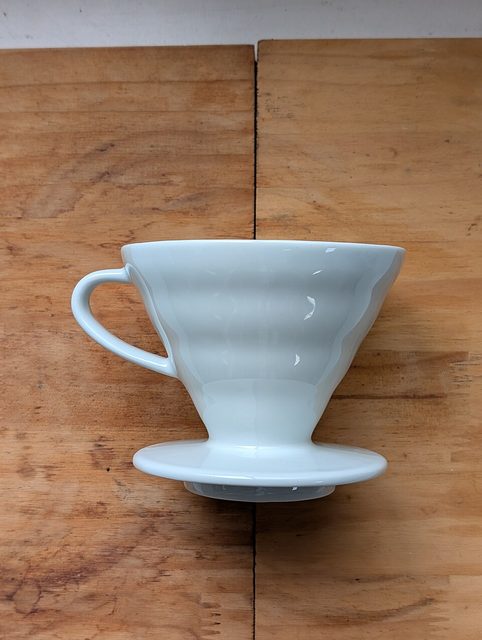 Photo: Honmingjun, CC BY-SA 4.0
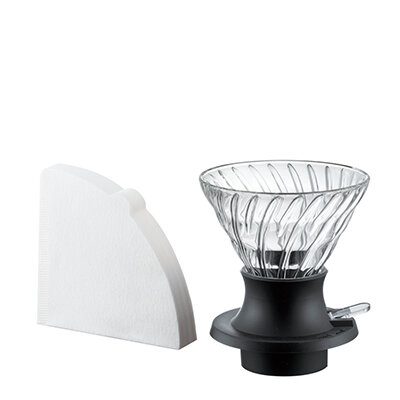 Product photograph, Hario
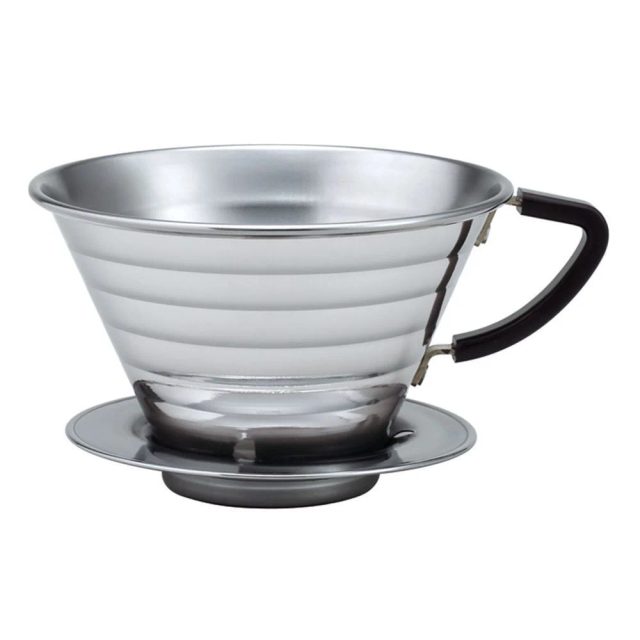 Product photograph, Kalita
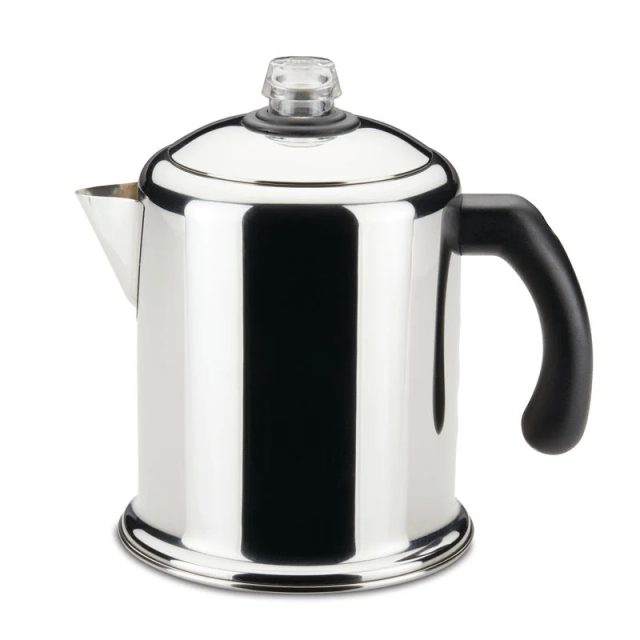 Product photograph, Farberware