Hand grinders with a steel burr and no motor, where the only part that wears is the one doing the work.
Grinding is the step that decides what coffee tastes like, and a hand grinder is the rare case where the good answer is also the simple one: a shaft, a bearing, a hardened burr and a handle. There is no motor to burn out, no board to fail and no battery to end its life, so the only part with a lifespan is the burr, and a burr is measured in years of daily use. The expensive ones here are buying a better cut of steel and a tighter shaft rather than any feature.
Some buy links are affiliate links. If you buy through one we may earn a
commission, at no extra cost to you.
How this is funded.
At a glance: Coffee Grinders picks compared, with buy links
An aluminium body, a steel shaft running in bearings and a hardened conical burr, with no motor and no circuit anywhere in it. The failure a hand grinder has is a burr that dulls after years of use, which is a part rather than the end of the grinder.
The same mechanical case as the Chestnut with a burr cut for espresso and a finer adjustment to use it, which is the one thing a hand grinder has to get right to be worth owning. No motor, no battery, nothing to go obsolete.
The grinder the rest of this page is measured against, built in Germany around a high-nitrogen steel burr and a beech or glass catch jar. It costs two to three times what the others do and the argument for it is the burr and the build rather than any feature.
External adjustment, so the grind is set on a ring at the base without taking the grinder apart, on a coated burr cut fine enough for espresso. Like everything on this page it is a shaft, a burr and a handle, with nothing in it that can stop being supported.
The cheapest grinder here with external adjustment and a stainless burr, which is most of what the expensive ones are selling. The body is aluminium and the only wearing part is the burr.
External adjustment, 240 clicks
Stainless steel conical burr
Double bearing shaft
Aluminium body
Nothing electrical in it at all
Weekly email
New picks, once a week.
One email a week with new picks. Unsubscribe any time.
Privacy.
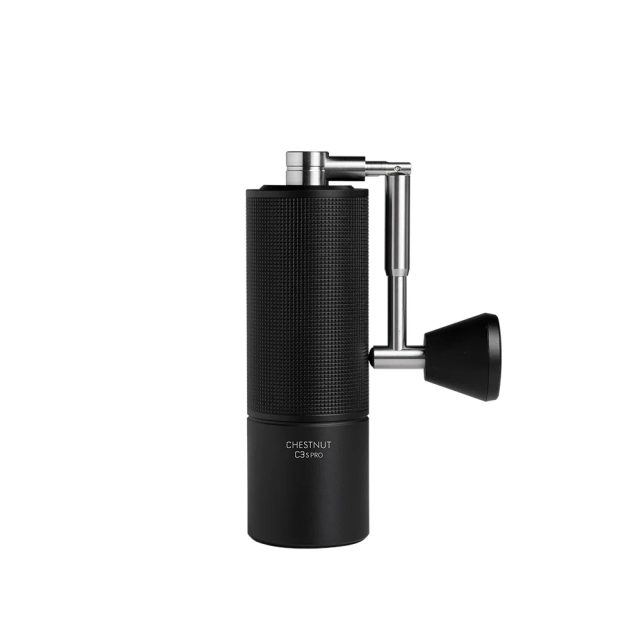 Product photograph, TimemoreTop pick
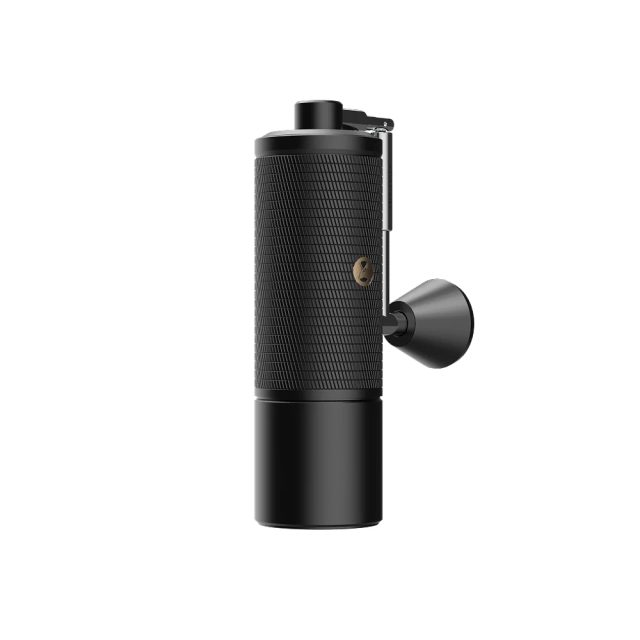 Product photograph, Timemore
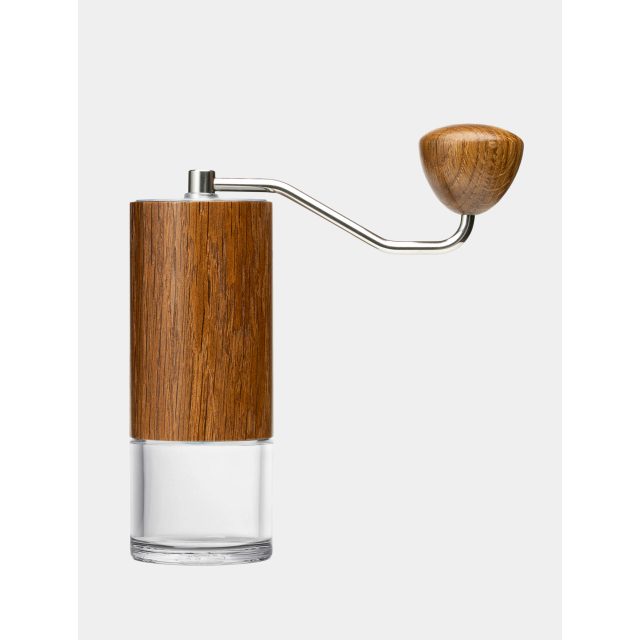 Product photograph, Comandante
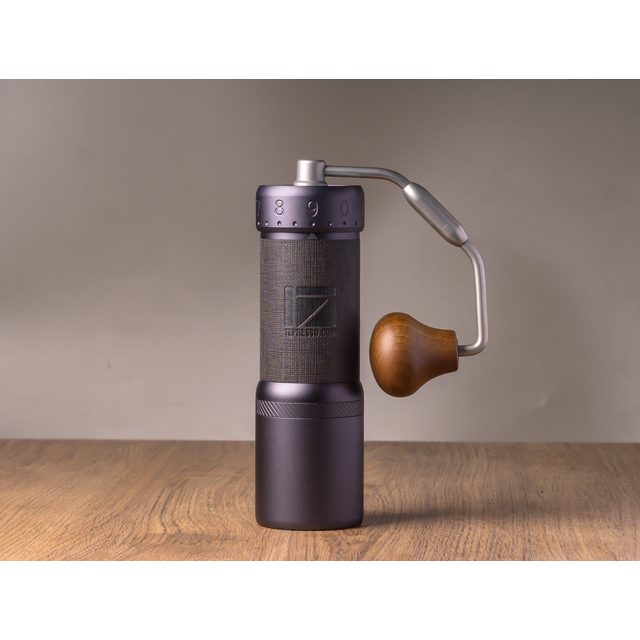 Product photograph, 1Zpresso