Gifts for the place someone spends most of their day: light, sound, a clock and a pen worth reaching for.
A desk is where a good object earns its keep, because it gets used every working hour.
These are things for that hour: a light bar that keeps glare off the screen, open-back headphones with every part replaceable, a Braun wall clock in the plain style the brand made famous, a radio built around one big tuning dial, and two pens that will still write long after the job has changed.
Black Friday is 27 November 2026 and Christmas follows. These are
gifts that last, so the guide holds whenever you shop. Listings last checked undefined undefined NaN.
Some buy links are affiliate links. If you buy through one we may earn a
commission, at no extra cost to you.
How this is funded.
The clip counterweights against the back of the monitor rather than clamping it, so nothing is under tension and there is nothing to crack. Asymmetric optics throw the light forward onto the desk and keep it off the panel, which is the entire reason to buy a bar instead of a lamp.
In production since 1997 with every component still orderable: drivers, pads, headband, grilles and cable all come apart with no glue and no special tools. Open backed and entirely passive, so there is no battery, no firmware and nothing that stops working when Sennheiser moves on. The same pair of these is routinely handed down rather than replaced.
The dial Braun has been printing since the 1970s: a black face, white hands sized so the hour and the minute cannot be confused, and a yellow second hand that sweeps silently rather than stepping. One AA cell behind a semi-tempered glass lens, and nothing else in it.
Henry Kloss designed this in 2000 and it has not needed redrawing since: one knob for tuning, one for volume, one speaker, in a hardwood cabinet. The tuner is the reason audio people buy it, a genuinely sensitive analogue front end rather than a chip scanning for the strongest signal, and the single driver is a full range unit with no crossover to drift.
The same Vinylon F shell with a padded sleeve and padded straps, which is the version that makes sense if the pack carries a laptop every day. The padding is the only part here that will age faster than the fabric.
The Bullet's pressurized nitrogen cartridge means the ink doesn't rely on gravity to flow, so it writes upside down, underwater, in freezing cold, and after sitting capped and unused for years without drying out or skipping. The brass body shrinks to pocket size when capped, and the design, unchanged since the 1960s and held in MoMA's permanent collection, takes a cheap, widely available Fisher refill for the life of the pen.
In production since 1980 and essentially unchanged, which is the same argument the Jotter and the Classic Century make, applied to a fountain pen. The steel nib unscrews and Lamy sells every width separately, so a nib you dislike or damage is a ten dollar part rather than a new pen, and the moulded grip that people either love or hate is the reason it became the standard recommendation for a first fountain pen. Takes Lamy cartridges or any bottled ink with the converter.
A hundred watts across three ports in a plug that folds flat, which is the one charger worth owning if there is only going to be one. The folding pins are the part that would wear and they are the reason to buy a good one rather than a cheap one.
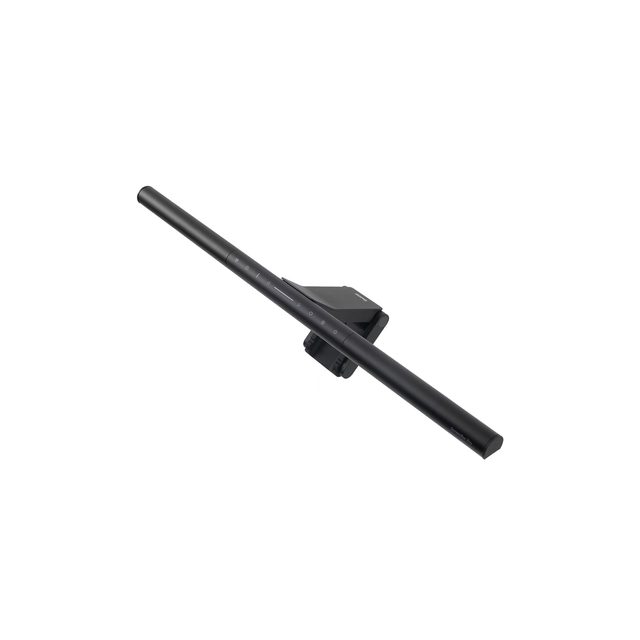 Product photograph, BenQ
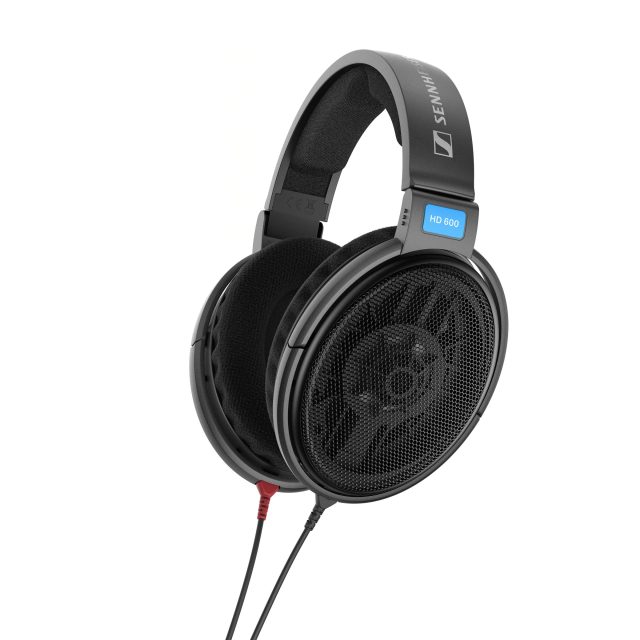 Product photograph, Sennheiser
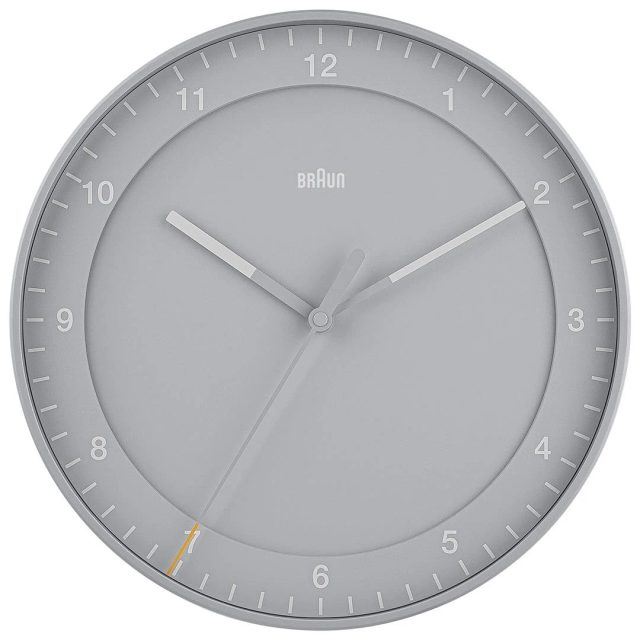 Product photograph, Braun
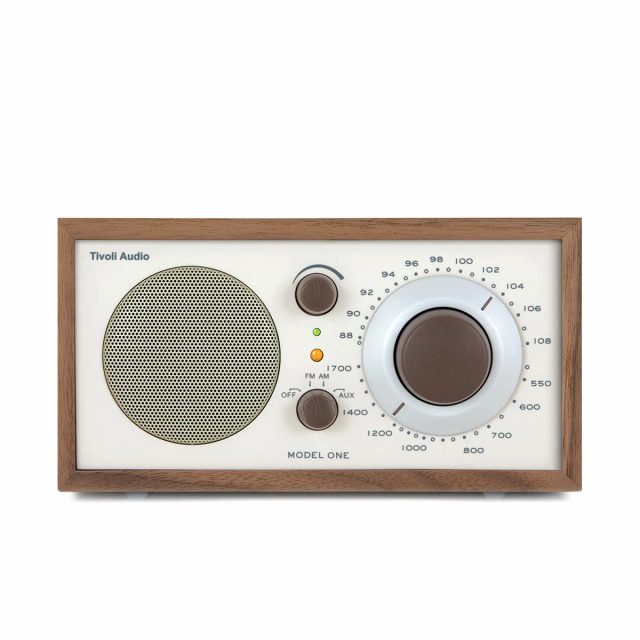 Product photograph, Tivoli Audio
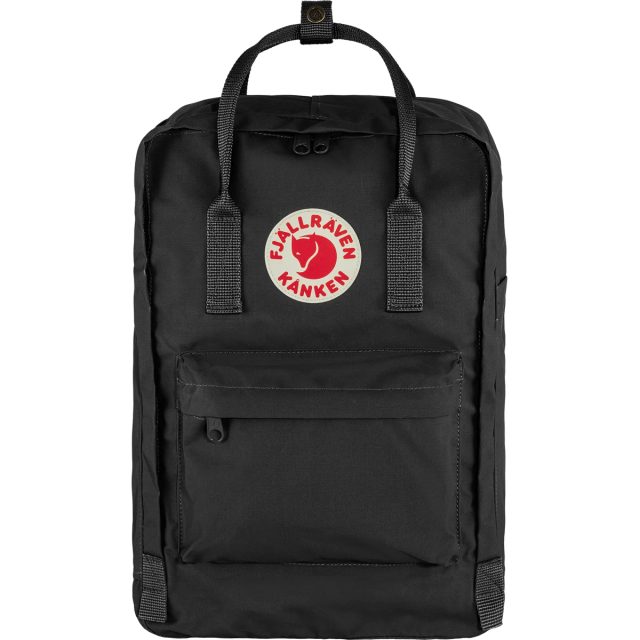 Product photograph, Fjällräven
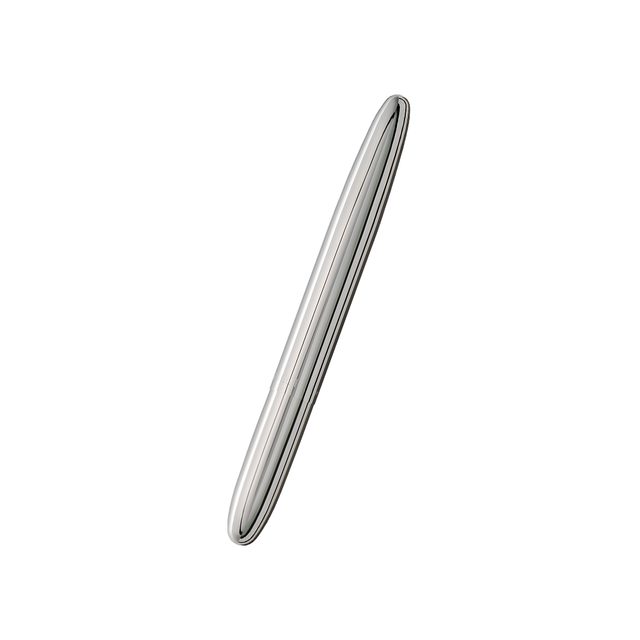 Product photograph, Fisher
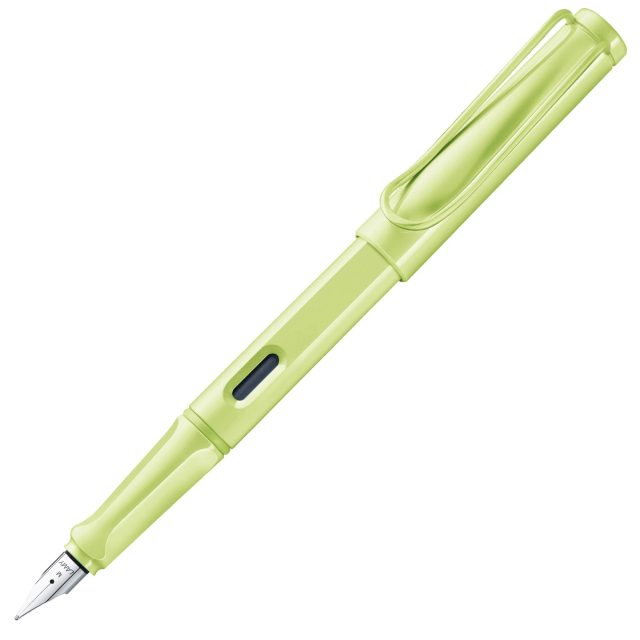 Product photograph, Lamy
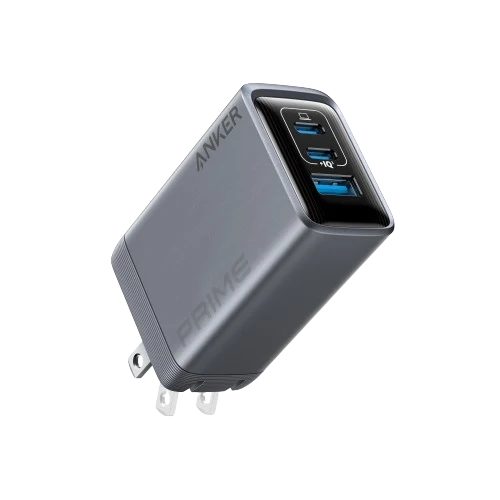 Product photograph, Anker