Writers that have stayed unchanged, and unbeaten, for decades.
A good pen should not be a decision. These have been in continuous production for forty to eighty years: the Cross Century since 1946, the Parker Jotter since 1954, the Lamy Safari since 1980. All of them refill rather than get thrown away.
Some buy links are affiliate links. If you buy through one we may earn a
commission, at no extra cost to you.
How this is funded.
The Bullet's pressurized nitrogen cartridge means the ink doesn't rely on gravity to flow, so it writes upside down, underwater, in freezing cold, and after sitting capped and unused for years without drying out or skipping. The brass body shrinks to pocket size when capped, and the design, unchanged since the 1960s and held in MoMA's permanent collection, takes a cheap, widely available Fisher refill for the life of the pen.
The Classic Century has kept its slim brass-and-lacquer silhouette since 1946, and Cross backs it with a lifetime mechanical guarantee: if the twist mechanism ever fails, they repair or replace it for free. It's the step up from disposable drugstore pens without crossing into showpiece luxury territory. Refillable, serviceable, and still made by the same American company that introduced it.
All stainless, including the clip and the knurled grip, with a click mechanism rather than a cap to lose. It takes standard Zebra F-series refills, which are sold everywhere, so the pen outlasts any particular box of them. It is the pen people modify rather than replace, which is the clearest signal a cheap object is worth keeping.
Stainless barrel, clip and knurled grip
Standard F-series refills, widely stocked
Retractable, so there is no cap to lose
Weighted enough to write without pressure
Parts are interchangeable with the F-402 and M-701
In production since 1980 and essentially unchanged, which is the same argument the Jotter and the Classic Century make, applied to a fountain pen. The steel nib unscrews and Lamy sells every width separately, so a nib you dislike or damage is a ten dollar part rather than a new pen, and the moulded grip that people either love or hate is the reason it became the standard recommendation for a first fountain pen. Takes Lamy cartridges or any bottled ink with the converter.
A retractable all-metal pen that takes Fisher's pressurized refill, which writes upside down, in the cold and on wet paper. The body outlasts any number of refills.
The Safari's aluminium sibling, sharing its nib, its converter and its moulded grip, with a body that will not craze the way resin eventually can. Lamy sells every nib width separately and they pull straight off the feed, so a pen that writes too broad is a five dollar fix rather than a mistake you live with.
A full brass body with a knurled grip and a fixed guidance sleeve, which is the part that matters: the lead is supported right to the paper, so it does not snap under a ruler. There is nothing in it to fail that is not mechanical, and lead is the only consumable. The design dates to the 1980s drafting market, which is why it is heavier than anything sold as a pencil today.
The octagonal Sport in solid brass rather than plastic, which doubles the weight and starts a patina within a week: the pen darkens where it is held and stays bright where it is not. German nibs in five grades, all of them unscrewing as a unit, so a bent nib is a part rather than a dead pen, and it takes standard international cartridges or a converter.
A pocket fountain pen whose design dates to 1911, with a steel nib that unscrews and can be replaced. It runs on standard international cartridges, which are made by many brands.
A retractable fountain pen with a click mechanism and a gold nib. The nib comes as a self-contained unit, so it can be swapped or replaced without replacing the pen.
A steel-nib fountain pen with a plain resin body and no mechanism beyond a push-on cap, so there is nothing in it to wear out but the ink. It takes Pilot cartridges or a refillable converter, which means it runs on bottled ink indefinitely rather than on a refill that stops being made.
A brass barrel and a Japanese steel nib at a price that used to buy a bag of disposables. Pilot has made nibs since 1918 and this one writes finer than Western equivalents, which suits small handwriting and cheap office paper. The weight is the tell that it is not a toy: brass rather than the moulded plastic every pen under twenty dollars uses, and it takes a converter for bottled ink.
Parker has made the Jotter, largely unchanged, since 1954. The stainless steel barrel and click mechanism survive decades of pocket and bag carry, and it takes Parker's own widely stocked "Quickclic" ballpoint or gel refills so the pen itself never needs replacing. It's the standard entry point into "real" pens precisely because there's nothing to go wrong with it.
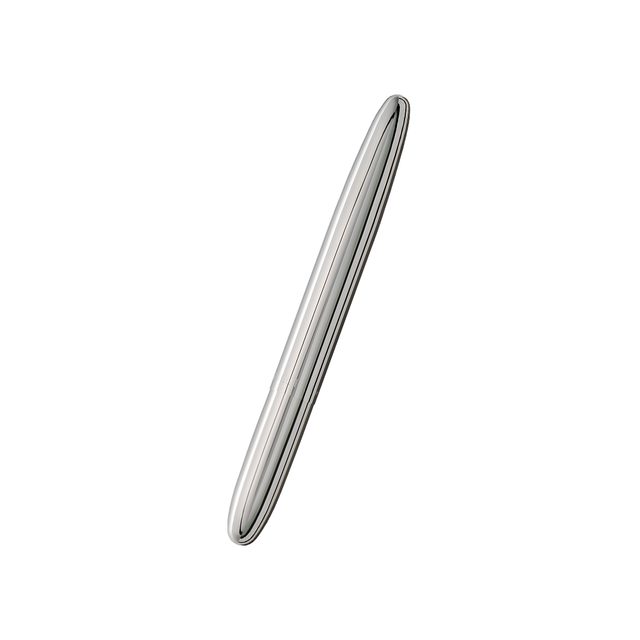 Product photograph, FisherTop pick
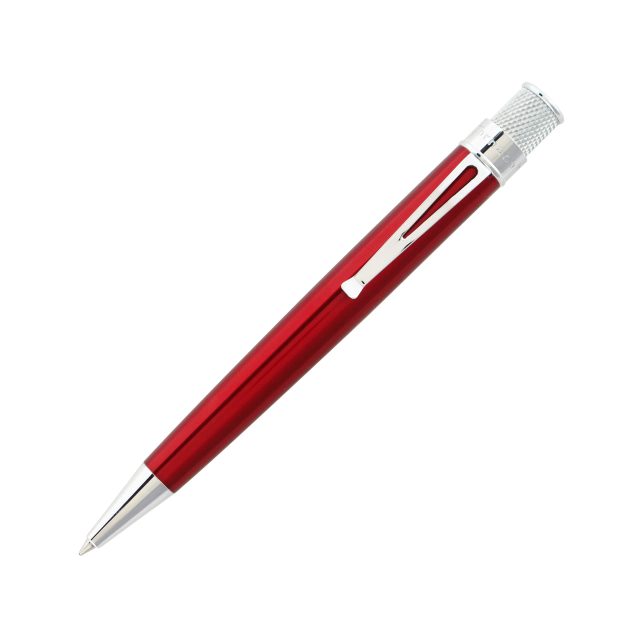 Product photograph, Retro 51
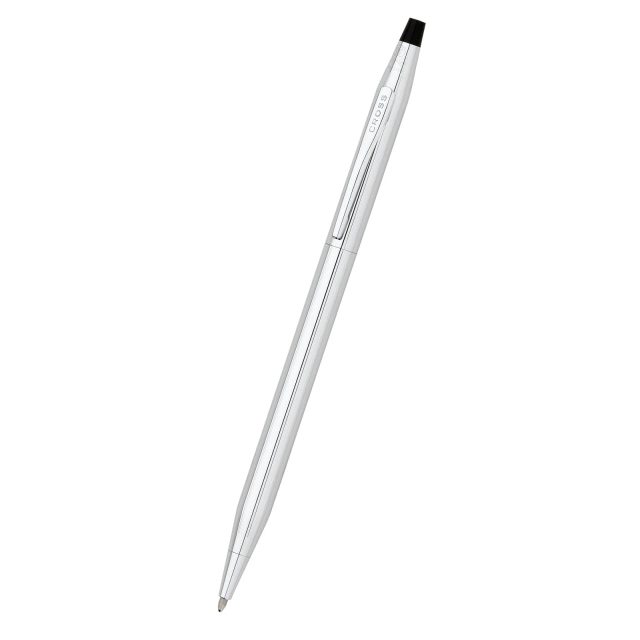 Product photograph, Cross
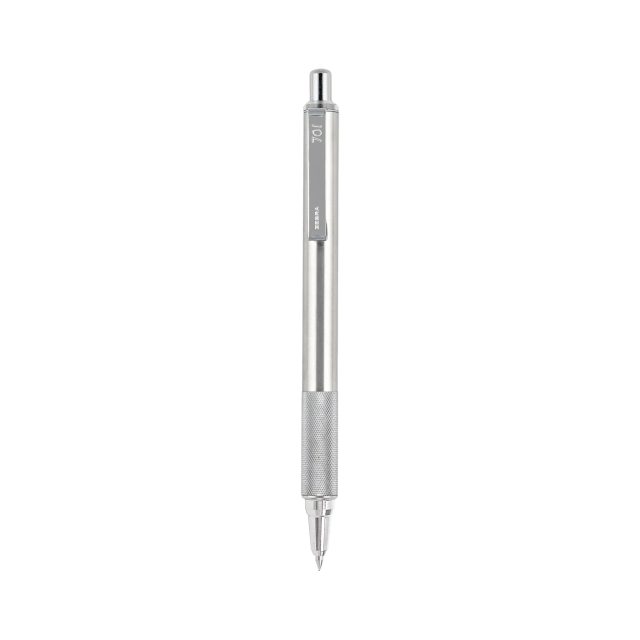 Product photograph, Zebra
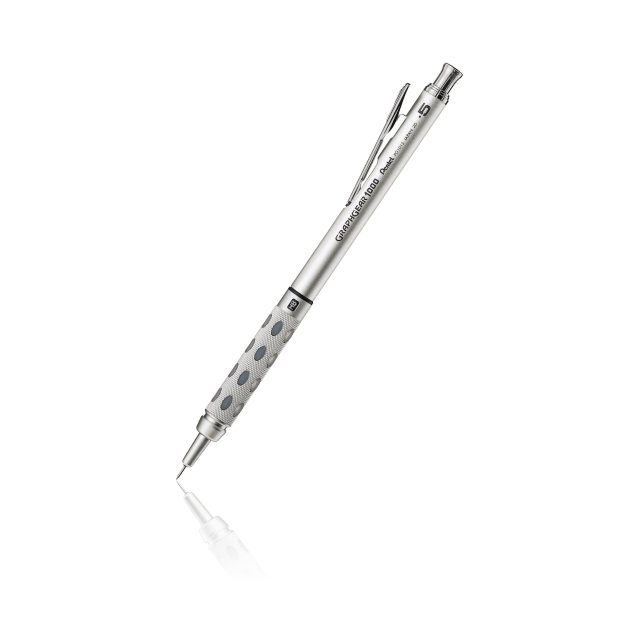 Product photograph, Pentel
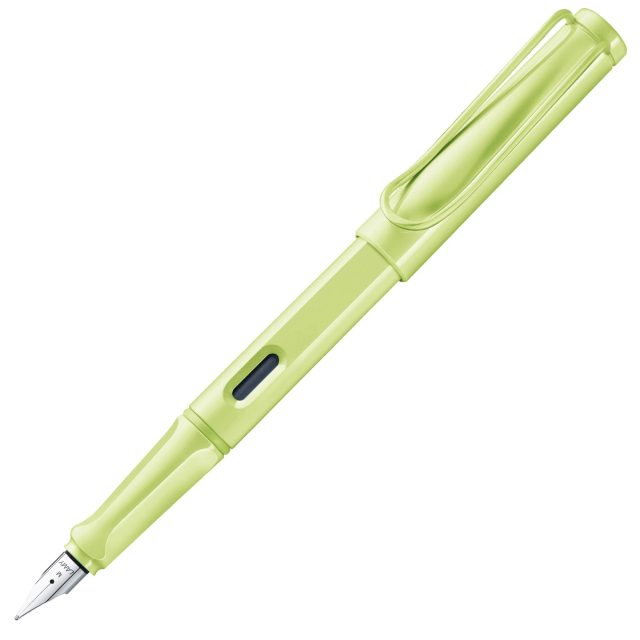 Product photograph, Lamy
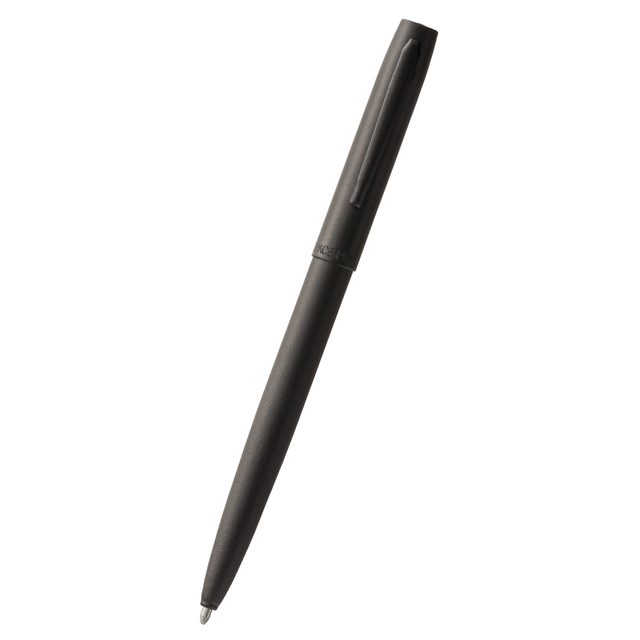 Product photograph, Fisher
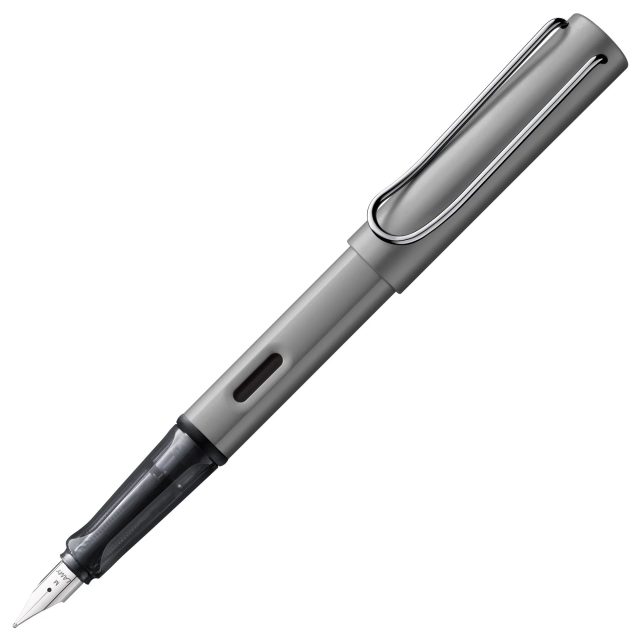 Product photograph, Lamy
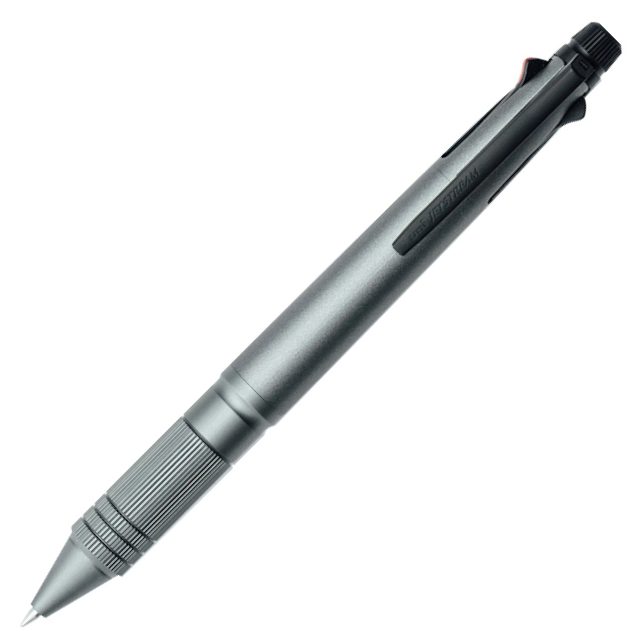 Product photograph, uni