Frames and lenses built to survive decades of sun, not one summer.
Sunglasses skew disposable. Hinges snap, coatings peel, and the lineup is refreshed every season so last year’s pair looks dated. These are the opposite: shapes barely changed in decades, behind a real lens replacement or repair programme.
Some buy links are affiliate links. If you buy through one we may earn a
commission, at no extra cost to you.
How this is funded.
At a glance: Sunglasses picks compared, with buy links
The Holbrook has been Oakley's flagship classic since 2013 with almost no design changes, built from Oakley's O Matter frame material, which flexes under pressure instead of cracking and doesn't corrode like cheaper metal frames. Oakley backs it with a limited warranty and a lens-replacement program, so a scratched or scuffed lens doesn't mean buying new sunglasses.
Made by hand in Randolph, Massachusetts since 1973 through more than 200 manufacturing steps, this is the same aviator supplied to the US military as flight eyewear. Randolph guarantees the solder joints for the lifetime of the frame and runs an in-house repair program, so a bent temple or loose hinge gets fixed rather than triggering a full replacement.
580P polarised lenses in a bio-based nylon frame, built for people who stare at water for a living. Costa replaces scratched lenses rather than selling you a new pair, which is the part that makes a premium pair of sunglasses a long-term object instead of a loss waiting to happen.
The same 1937 frame as the plain Aviator with crystal polarised lenses in it, which is the version worth the difference if you drive or spend time on water. Glass lenses rather than plastic, so they scratch far less, and Ray-Ban's service network replaces lenses and nose pads on frames decades old.
A browline frame in acetate and metal that has been in production for decades. Opticians can replace the lenses, pads and screws, so the frame outlasts several pairs of lenses.
The Fantail rebuilt for people who fish for a living: 580G glass rather than polycarbonate, a wider wrap and rubber that grips harder when wet. Costa replaces scratched lenses rather than selling a new pair.
Designed in 1937 for US Army Air Corps pilots, the Aviator's metal frame and adjustable nose pads have outlasted nearly every fashion trend since. The double-bridge and thin metal temples are easy for any optician to re-solder or adjust, and genuine glass or crystal lens options resist the scratching that ruins plastic-lensed sunglasses within a year or two.
Oakley reissued the 1985 Frogskins without redesigning it, which is rare enough to be the reason to buy one. The low bridge fit is the version for anyone whose sunglasses normally sit on their cheeks, and it is the same O Matter frame and replaceable lens as the sports shields.
A shield rather than a frame, with the lens swapping out in seconds, which means one pair covers bright sun and overcast without buying a second. The O Matter frame is the part that earns the money: it flexes instead of snapping, and Oakley sells the earsocks and nosepads that actually wear.
Polarized sunglasses with a nylon frame and hinges that are built for fishing and boats. Costa covers frames against defects for life, and replacement lenses are available.
Polarized sunglasses with a wraparound nylon frame made for days on the water. Costa covers frames against defects for life, and replacement lenses are available.
Built for saltwater fishing and boating, the Tuna Alley uses Costa's 580 lens technology (available in impact-resistant polycarbonate or scratch- resistant glass) and corrosion-proof hardware that survives years of salt spray. Every pair ships with Costa's unconditional lifetime warranty, and the Tuna Alley's shape has stayed in the lineup essentially unchanged since its 2013 release rather than cycling through seasonal colorways.
Maui Jim grinds its own glass and the PolarizedPlus2 treatment is inside the lens rather than a film on top of it, so it cannot delaminate the way a coated lens does. The 6 per cent at one star are mostly about the price rather than the glasses.
The Hookipa has been in the Maui Jim line since the 1990s and carries the same PolarizedPlus2 treatment inside the lens rather than coated on top. The 7 per cent at one star is mostly counterfeits bought elsewhere, which is worth knowing before shopping on price.
Maui Jim's PolarizedPlus2 glass lenses resist scratching far better than the polycarbonate used in most sunglasses, and the brand backs every pair with a warranty against manufacturer defects plus a lens-replacement service. The Southern Cross has held its place as a long-running wrap style in Maui Jim's catalog rather than being swapped out for a seasonal refresh.
PolarizedPlus2 glass lenses
Manufacturer's defect warranty
Stress-tested frame hinges
100% UV protection
Long-running catalog staple, not a seasonal style
Weekly email
New picks, once a week.
One email a week with new picks. Unsubscribe any time.
Privacy.
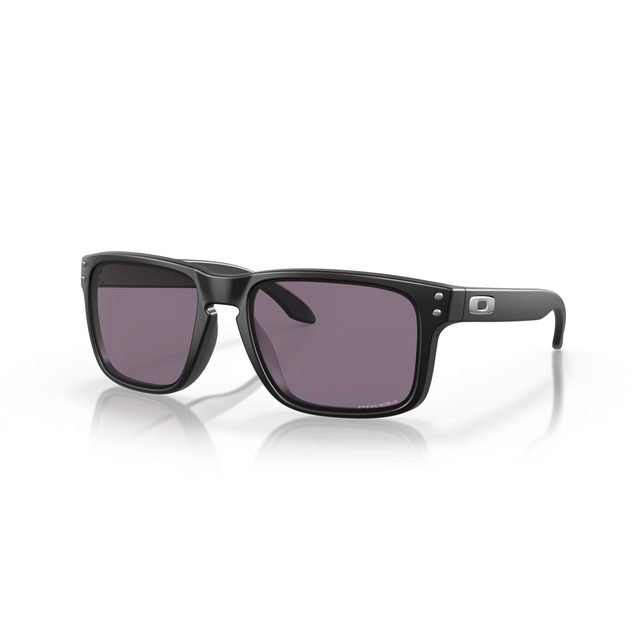 Product photograph, OakleyTop pick
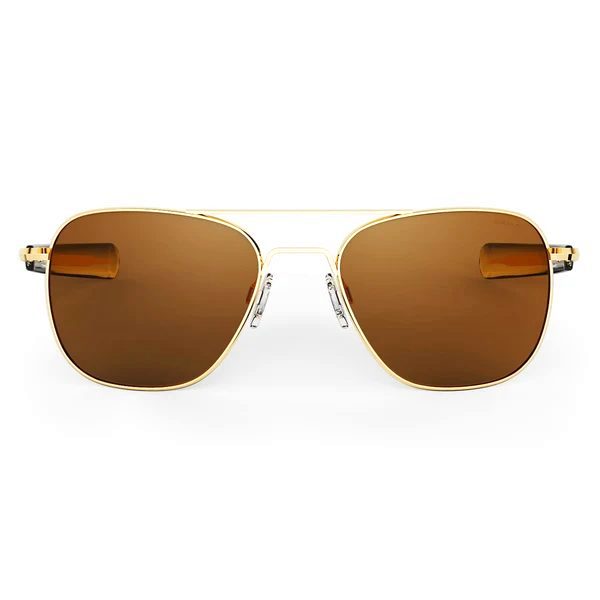 Product photograph, Randolph Engineering
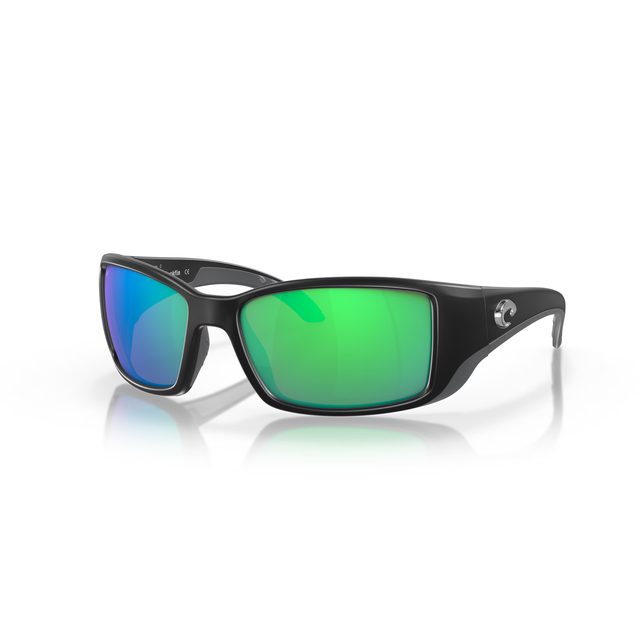 Product photograph, Costa Del Mar
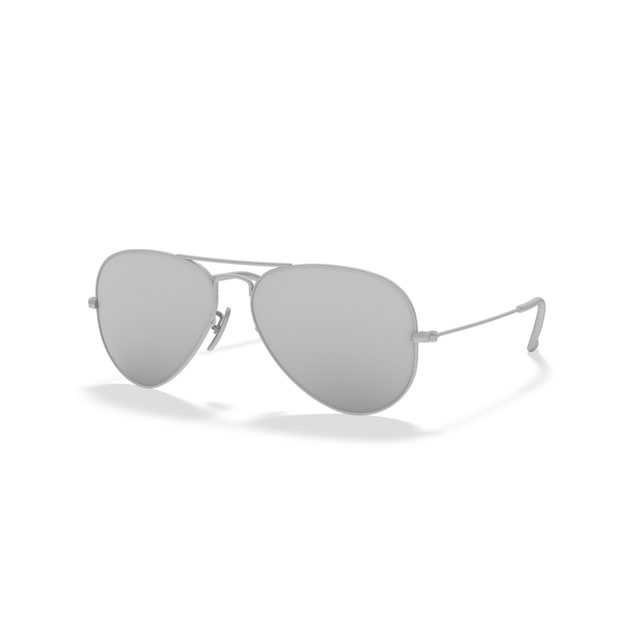 Product photograph, Ray-Ban
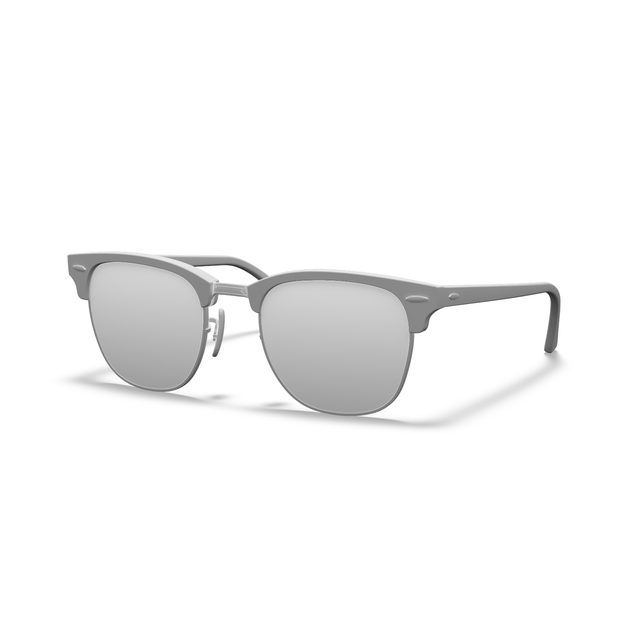 Product photograph, Ray-Ban
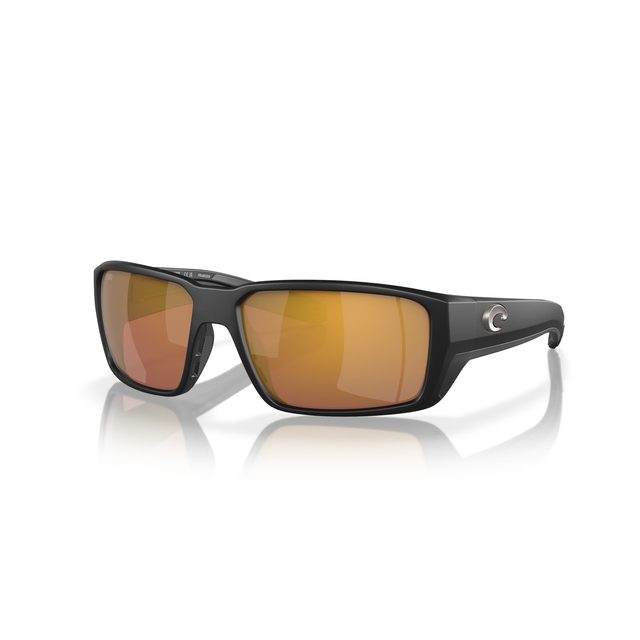 Product photograph, Costa Del Mar
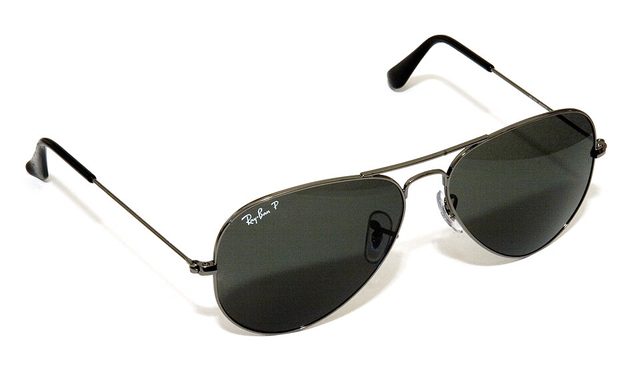 Photo: Rich Niewiroski Jr., CC BY 2.5
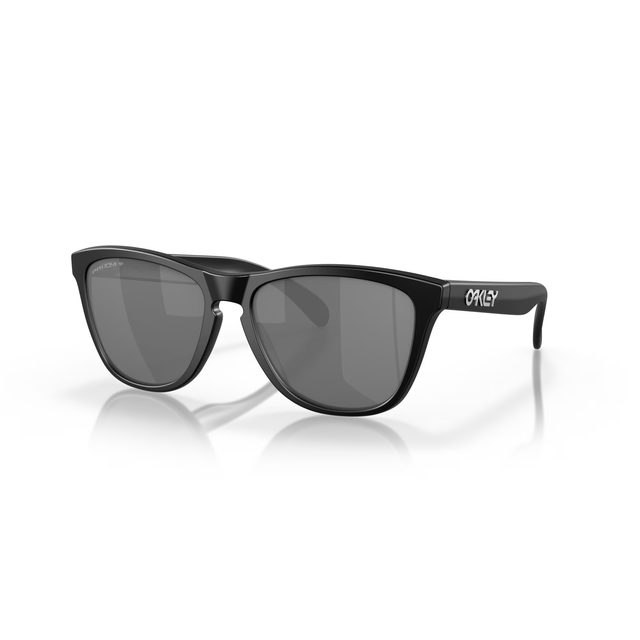 Product photograph, Oakley
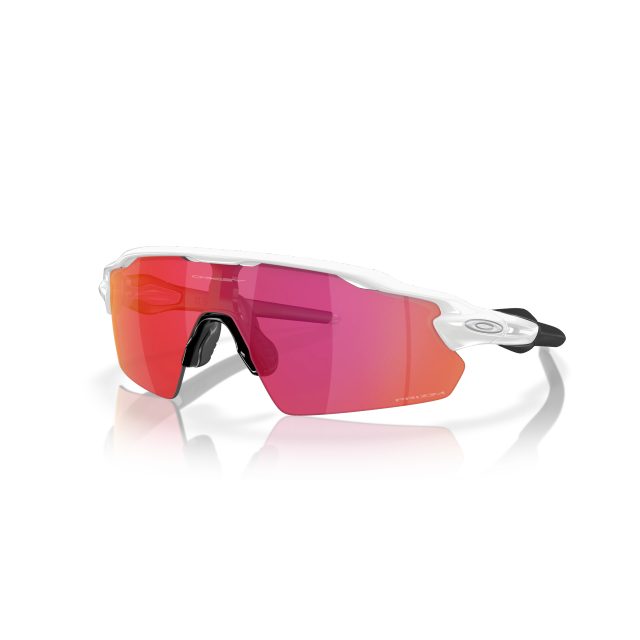 Product photograph, Oakley
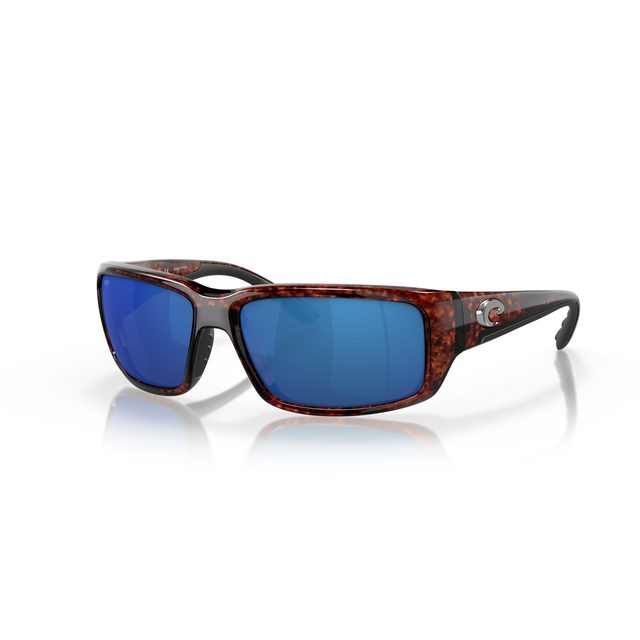 Product photograph, Costa Del Mar
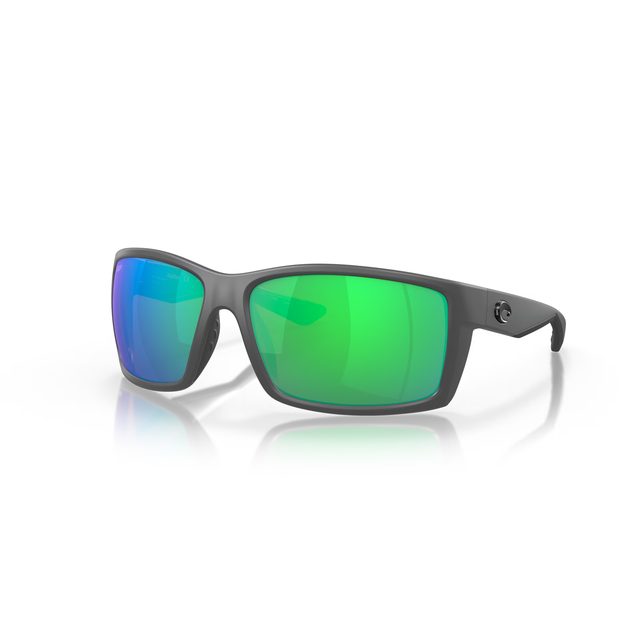 Product photograph, Costa Del Mar
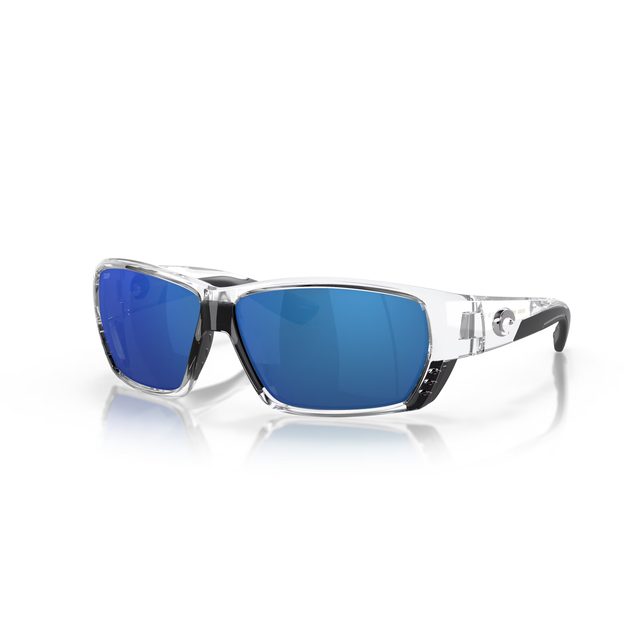 Product photograph, Costa Del Mar