Clippers ground in Seki, where the steel and the grinding both come from swordmaking.
A nail clipper is a tiny pair of shears, and the same thing decides its life: the hardness of the steel and the accuracy of the grind. The drugstore kind is pressed from soft stock and blunt within a year, at which point it tears instead of cutting. These come from Seki in Japan, a town that ground sword blades for seven centuries and now grinds most of the world’s good cutlery, in stainless hard enough that the edge is still closing cleanly a decade later.
Some buy links are affiliate links. If you buy through one we may earn a
commission, at no extra cost to you.
How this is funded.
At a glance: Nail Clippers picks compared, with buy links
Ground in Seki, where the grinding trade is a direct descendant of the sword trade, in stainless hard enough to keep a closing edge for years rather than months. The jaws meet along their whole length, which is what makes the difference between cutting a thick nail and crushing it, and the lever is riveted rather than pinned so it does not develop side play.
The fingernail size, and the deepest record of any clipper here by some distance. Same Seki stainless and the same full length jaw contact, in a smaller body with a finer edge, which is what fingernails want and toenails defeat.
The Takumi No Waza line is finished by hand in Seki, and the thing you notice is the sound: a clean snap rather than a crunch, because the two edges meet flush instead of passing each other. The clipping is caught rather than fired across the room, and the catcher is the only part that comes off.
The larger jaw in the same hand finished line, which is the one to buy for thick or ridged nails where a small clipper has to be worked across in stages. Same Seki grinding and the same flush closing edges, in a body wide enough to get real leverage on.
Wider jaw for thick nails
Hand finished in Seki, Japan
Flush closing edges
Stainless steel
Weekly email
New picks, once a week.
One email a week with new picks. Unsubscribe any time.
Privacy.
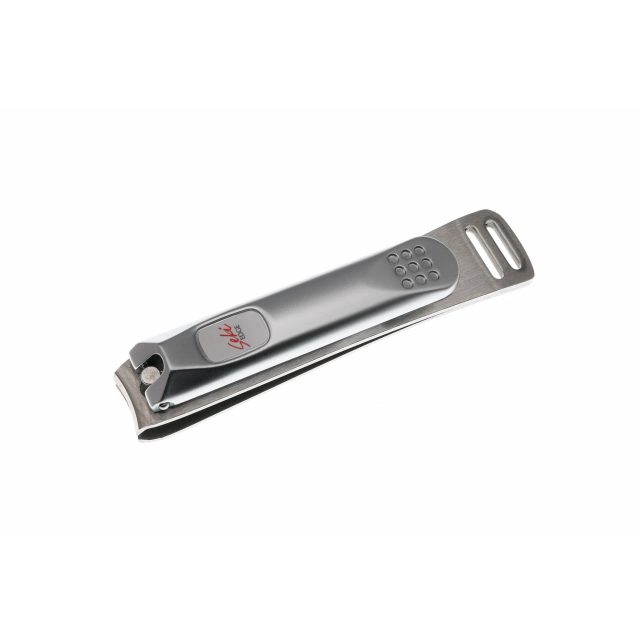 Product photograph, Seki EDGETop pick
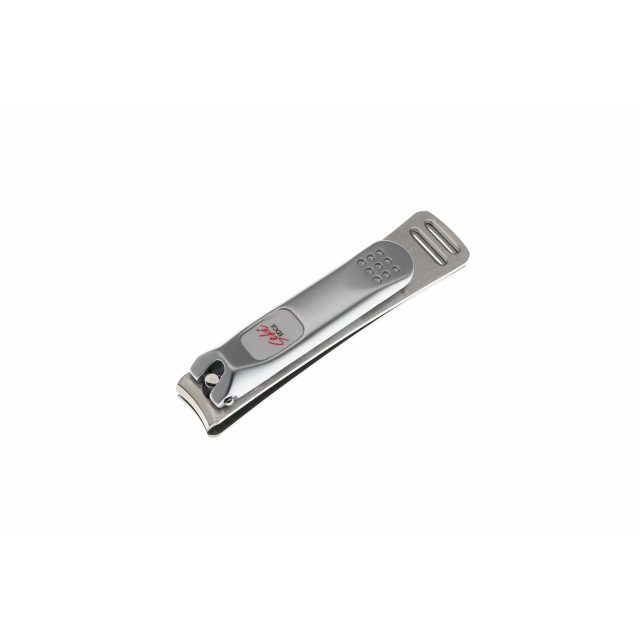 Product photograph, Seki EDGE