Gas spring arms that hold position for a decade, not steel poles with a clamp.
A monitor arm is not electronics. It is a gas spring, two pivots and a clamp, and the only part that can fail is the spring, which good ones rate for a decade of daily adjustment. It outlives the monitor it holds.
Some buy links are affiliate links. If you buy through one we may earn a
commission, at no extra cost to you.
How this is funded.
At a glance: Monitor Arms picks compared, with buy links
Ergotron warrants the LX for ten years, which for a gas spring is the claim that matters: springs sag, and a decade of guaranteed calibration is the difference between an arm and a pole. Aluminium casting rather than stamped steel, and the tension is set with a hex key against a scale rather than by feel.
Two screens stacked rather than side by side, on the same patented constant-force spring as the single LX that is already here. Ergotron warrants the whole thing for ten years and sells every clamp, pole and pivot separately, so the arm outlives several generations of screen.
The mechanism is the same idea executed more cheaply: a gas spring, two pivots and a clamp. For a panel under about 20 inches it does what the Ergotron does. Above that weight the spring works harder and the difference starts to show.
It is a gas spring, two pivots and a clamp, the same mechanism as the Ergotron at a tenth of the money, and for a 24 inch panel that is genuinely all you need. Steel construction rather than aluminium, so it is heavier and less pretty, and the tension is set by feel rather than against a scale.
A mechanical spring rather than a gas cylinder, which is the reason to prefer it: a gas strut loses pressure after some years and cannot be recharged, so the arm sags and that is the end of it. A coil spring does not have that failure mode. Steel and aluminium, VESA 75 and 100, and both a clamp and a grommet base in the box.
Mechanical spring, not a gas cylinder
Clamp and grommet bases both included
VESA 75x75 and 100x100
Screens 13 to 32 inches, to 17.6 lbs
Full motion tilt, swivel and rotate
Weekly email
New picks, once a week.
One email a week with new picks. Unsubscribe any time.
Privacy.
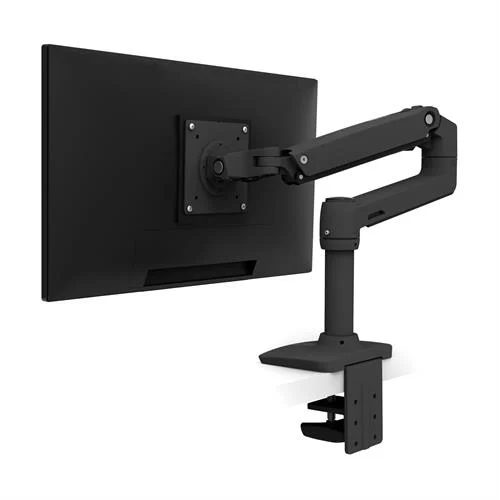 Product photograph, ErgotronTop pick
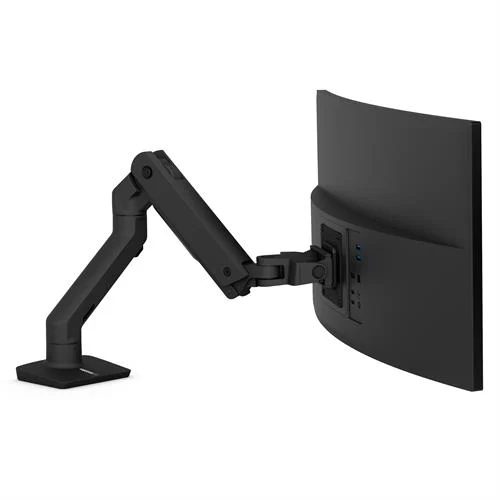 Product photograph, Ergotron
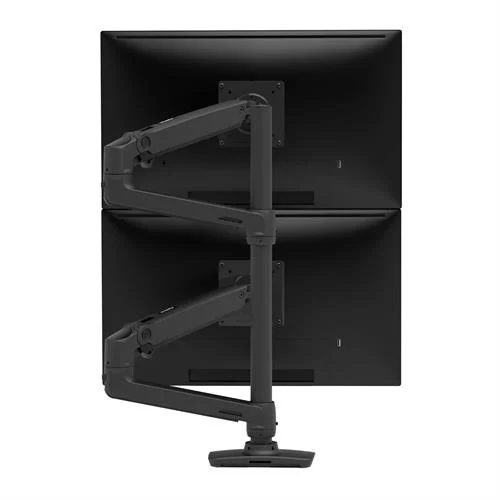 Product photograph, Ergotron
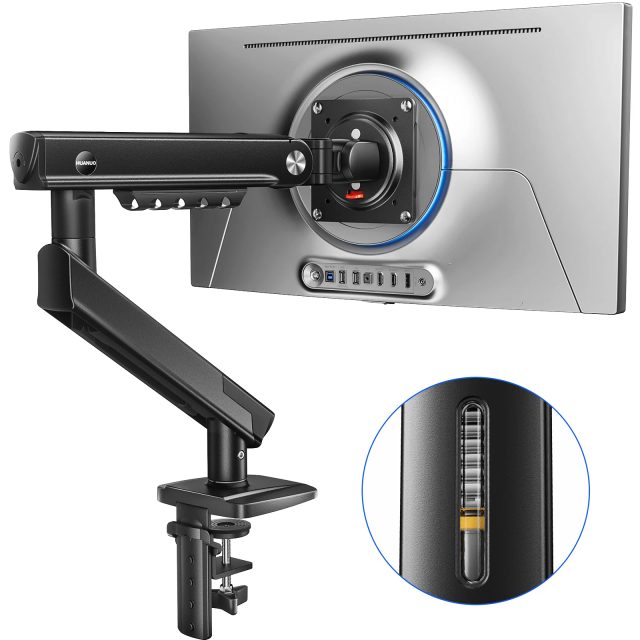 Product photograph, HUANUO
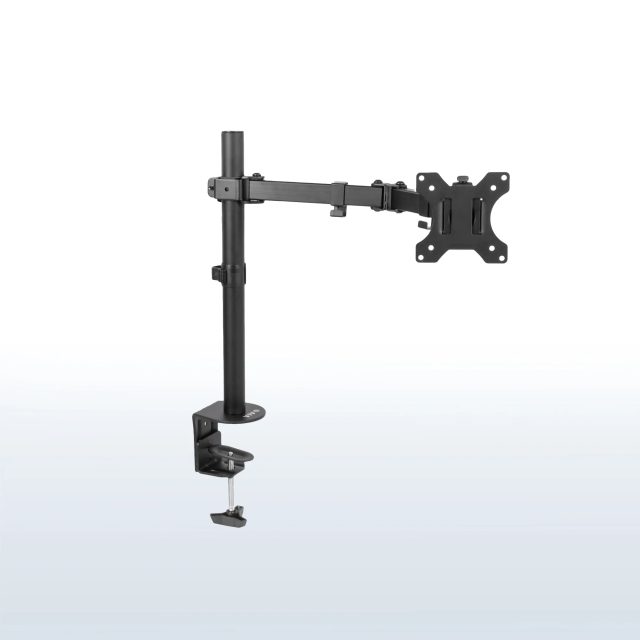 Product photograph, VIVO
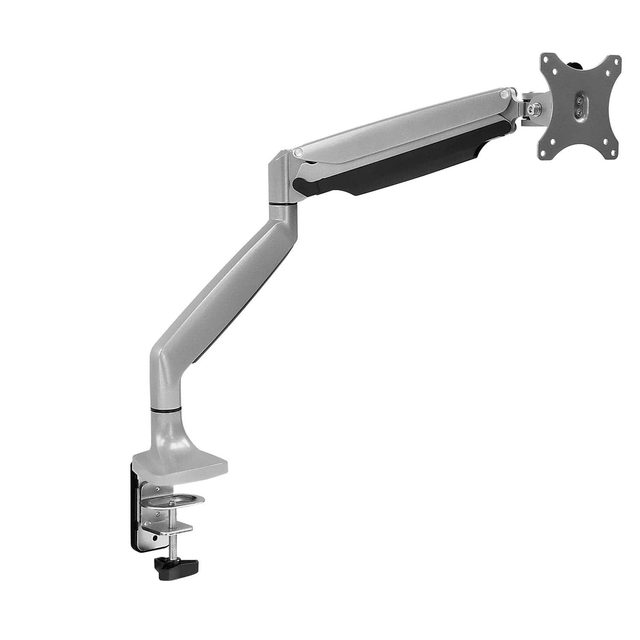 Product photograph, Mount-It!