Passive dynamics that outlast the desks they sit on, plus the USB, on-camera and boom-arm kit that goes with them.
A dynamic microphone is a diaphragm, a coil and a magnet, with a grille you can unscrew and replace, and the classic designs have been made unchanged for decades. The USB microphones for calls plug in and work on the computer’s own audio driver, with no battery and no required app. The on-camera microphones take power from the camera instead of a sealed battery. The arms are a spring, a few joints and a clamp, which is why a good one outlasts several microphones.
Some buy links are affiliate links. If you buy through one we may earn a
commission, at no extra cost to you.
How this is funded.
At a glance: Microphones picks compared, with buy links
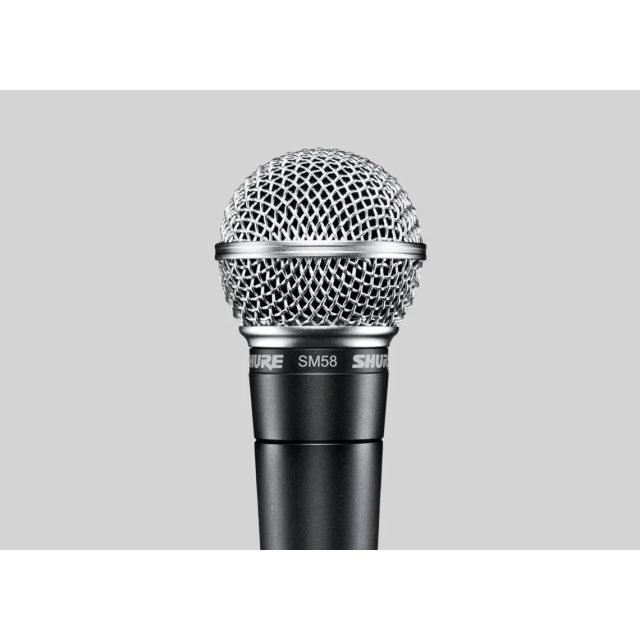
In production unchanged since 1966, and the reason it is the one every venue owns is that it survives being dropped on a stage repeatedly. It is passive: a diaphragm, a coil and a magnet, with no battery and no circuit to fail. The grille unscrews and the cartridge is sold separately, so the two things that do wear are both replaceable.
Passive dynamic: no battery, no circuit
Unchanged since 1966
Grille and cartridge sold as parts
Built-in spherical pop filter
XLR, so it outlives any connector standard on a computer
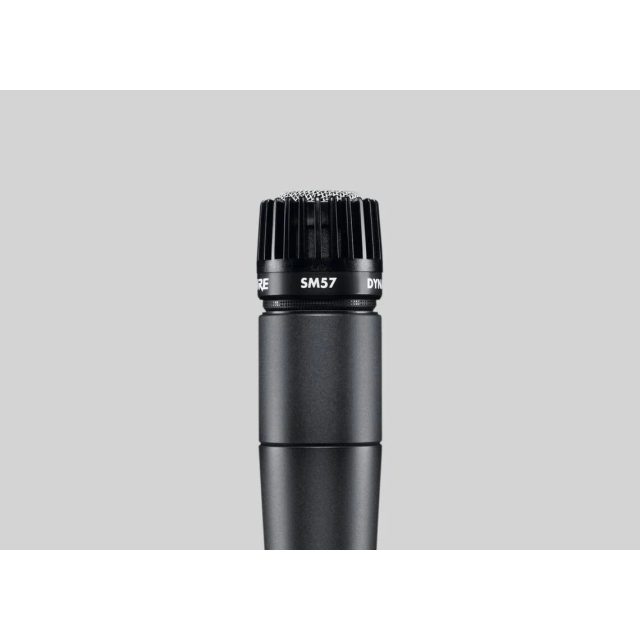
The same cartridge family as the SM58 without the ball grille, in production since 1965, and the microphone that has recorded a guitar amplifier and a snare drum on more records than anything else. Passive, so there is nothing in it to power or update. It has been on the presidential lectern since Johnson, which is an odd credential and a real one: it is specified where failure is not an option.
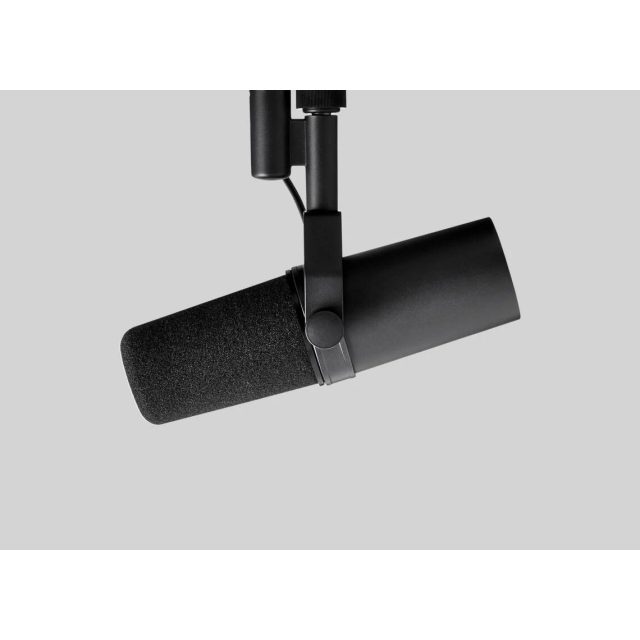
The broadcast microphone, descended from the SM7 of 1973 and still built the same way: a passive dynamic capsule in a heavy yoke, with internal shock isolation and a windscreen that pulls off and is sold separately. It is the most expensive thing on this page and the one least likely to ever be replaced. It needs a lot of clean gain, which is the one thing to know before buying it.
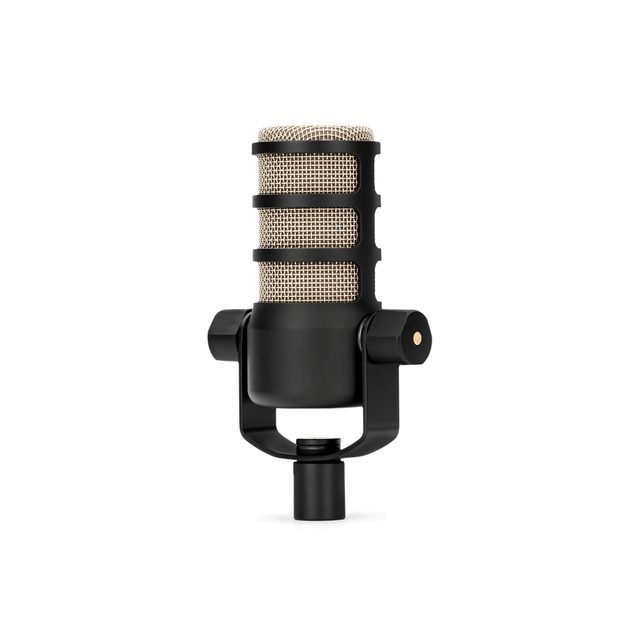
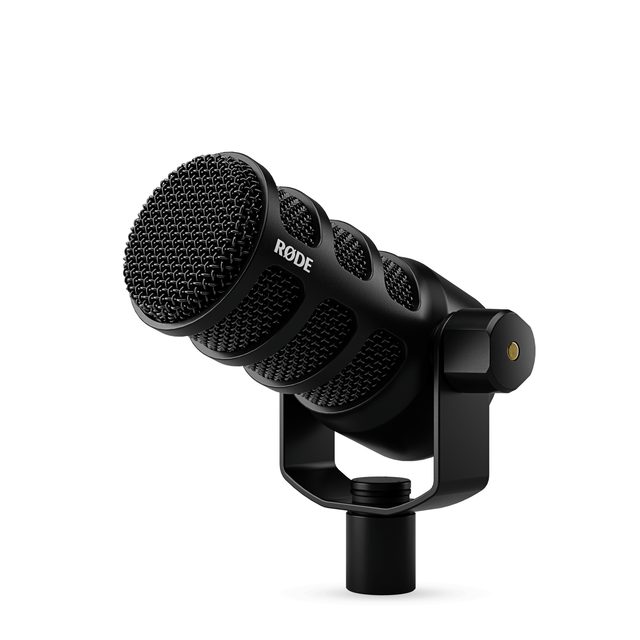
An all-metal passive dynamic with the shock mount and the pop filter built inside the body, so there is no accessory to lose and nothing bolted on to work loose. Rode covers it for ten years on registration. It is the cheapest way onto this page and the one that needs the least in front of it.
A large diaphragm condenser at the price most people pay for a USB microphone, with a proper shock mount in the box. A condenser needs phantom power and a quiet room, which is the trade against the dynamics on this page, and in a quiet room it is plainly better.
A cardioid condenser microphone with a metal body and a standard XLR connection. It has no software, drivers or battery, so it works with any interface for as long as the capsule lasts.
A USB condenser microphone with a built-in limiter that stops sudden loud sounds from distorting, and a tap-to-mute top. It works on the standard USB audio driver; the companion app is optional.
The updated PSA1 with internal damping so the arm moves quietly, smoother springs and cable management along the arms. It is still springs, joints and a clamp.
A USB condenser microphone on a weighted metal stand, with four pickup patterns and a headphone jack for monitoring. It works on the standard USB audio driver with no app required, and the Yeti has been sold since 2009.
A low-profile arm that keeps the microphone below the line of a webcam, so it stays out of frame on calls. The arm is aluminium with cable channels, and the clamp fits most desks.
A smaller Yeti for a desk used for calls: two pickup patterns, a headphone jack and a metal stand that takes up less room than the full-size model. It works on the standard USB audio driver.
The USB version of the AT2020 studio condenser, with a mute button, a headphone jack and a USB-C connection. It works on the standard USB audio driver and continues a line Audio-Technica has sold for years.
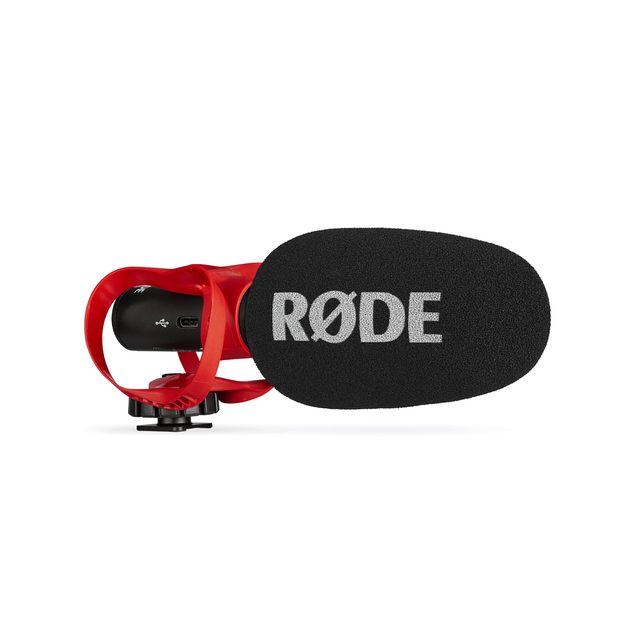
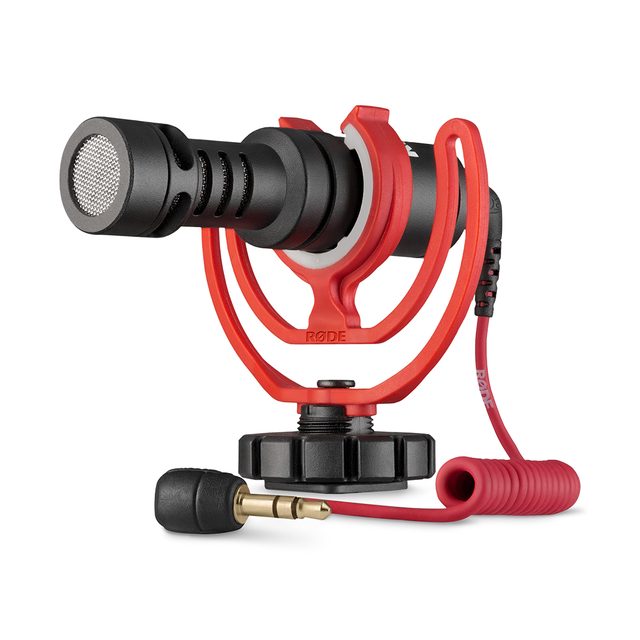
A light shotgun microphone for vlogging that takes power from the camera or phone, with both a 3.5 mm and a USB-C output. With no battery inside, there is nothing in it that ages on a shelf.
A small on-camera microphone for vlogging that runs on power supplied by the camera, so there is no battery to charge or wear out. It comes with a shock mount and a furry windshield for outdoor use.
A heavy all-metal dynamic microphone with both USB and XLR outputs, built for a voice at a desk. It works on the standard USB audio driver, and the XLR output means it stays useful if the USB side is ever not needed.
A spring-balanced boom arm with a desk clamp, which holds a microphone in front of the mouth and out of the camera frame. It is springs, joints and a clamp, and the design has been sold for well over a decade.
A dynamic microphone with both USB and XLR outputs, so it works on a laptop for calls today and plugs into an audio interface later. As a dynamic it rejects room noise better than most USB microphones, and it follows the MV7, sold since 2020.
USB-C and XLR outputs
Dynamic: rejects room noise
Works without the app
Weekly email
New picks, once a week.
One email a week with new picks. Unsubscribe any time.
Privacy.
 Product photograph, ShureTop pick
 Product photograph, Shure
 Product photograph, Shure
 Product photograph, RØDE
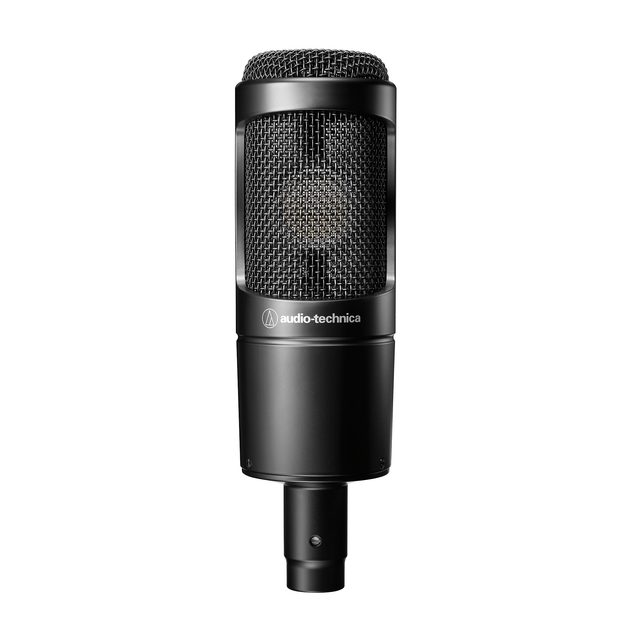 Product photograph, Audio-Technica
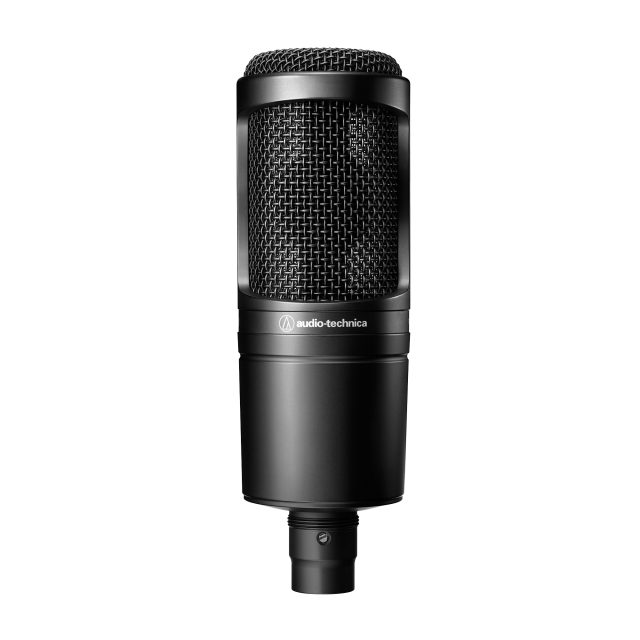 Product photograph, Audio-Technica
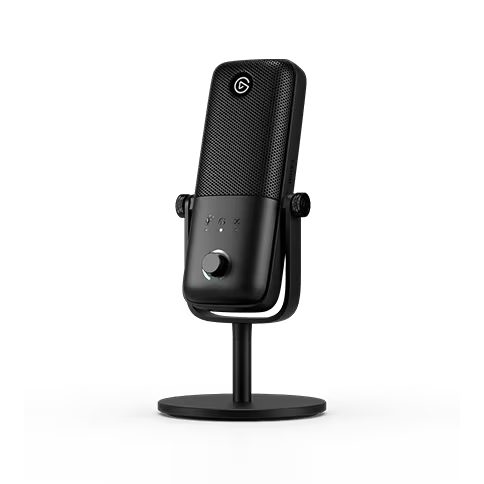 Product photograph, Elgato
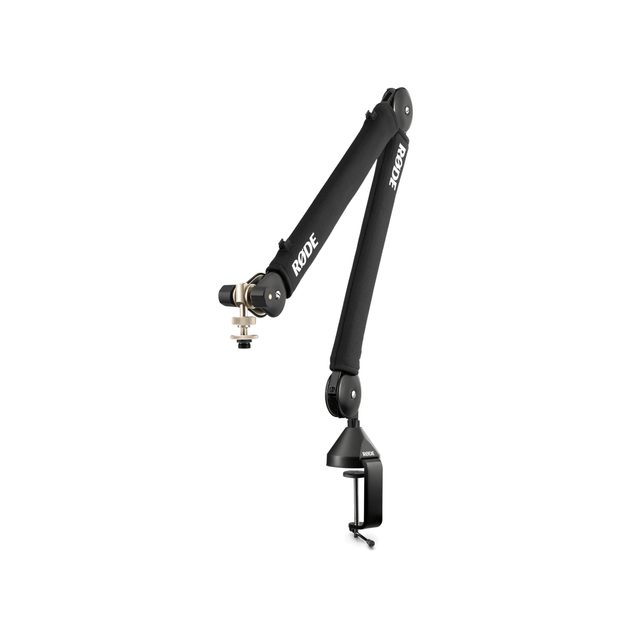 Product photograph, RØDE
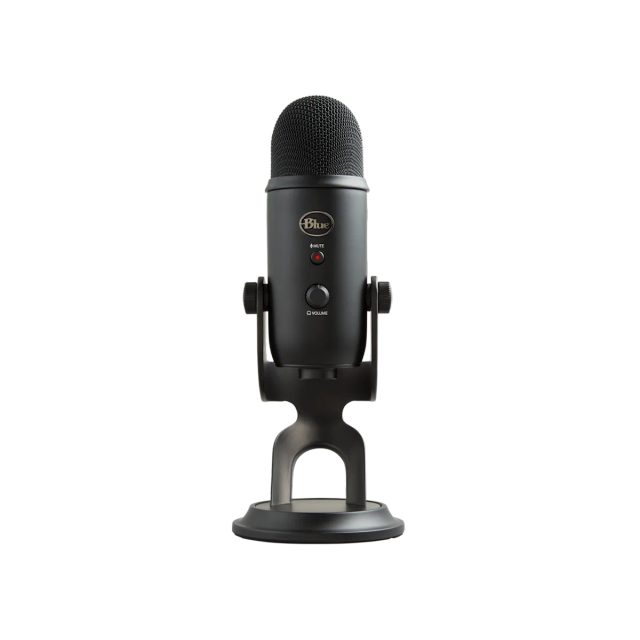 Product photograph, Logitech
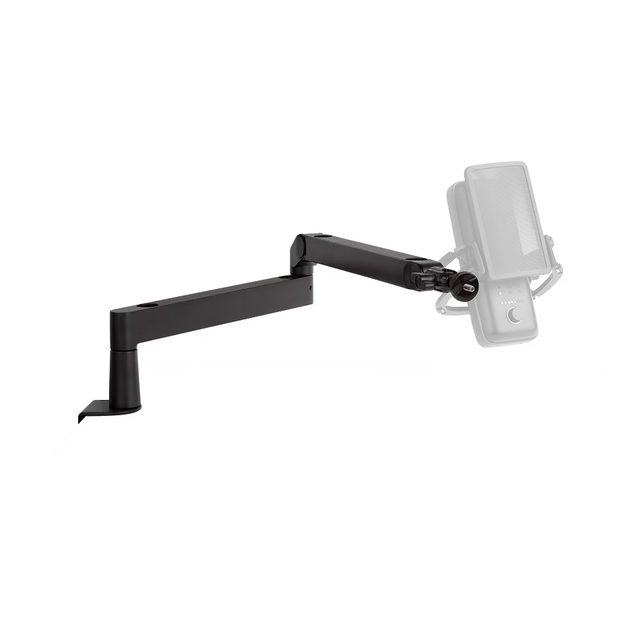 Product photograph, Elgato
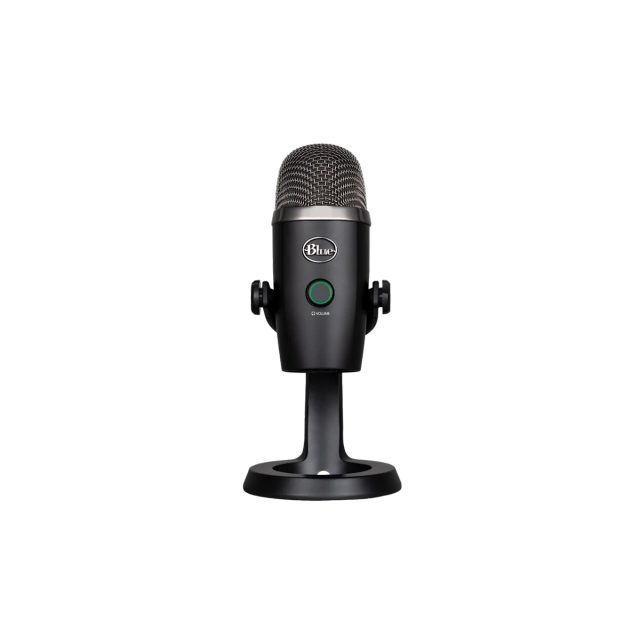 Product photograph, Logitech
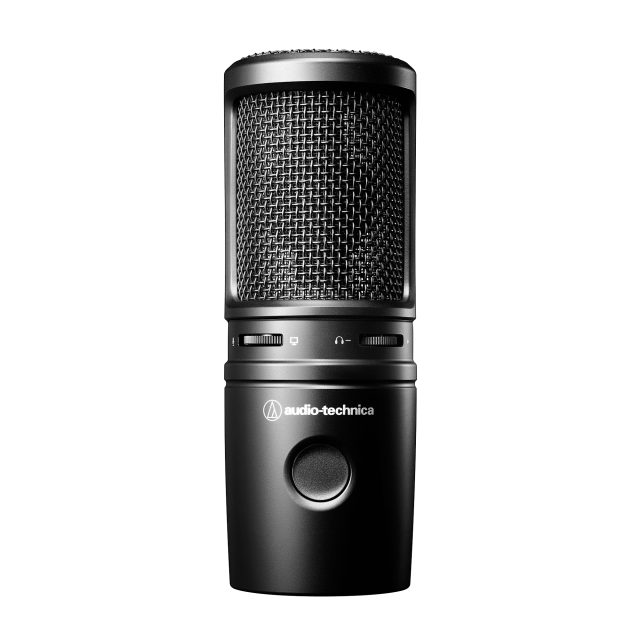 Product photograph, Audio-Technica
 Product photograph, RØDE
 Product photograph, RØDE
 Product photograph, RØDE