Glass outlives bodies. Buy the lens, rent the sensor.
There are no camera bodies here, and that is the whole argument. A body is a sensor and a battery wrapped in firmware, replaced on a three year cycle. A lens is glass and metal: a Canon mount from 1987 still fits a body sold today.
Some buy links are affiliate links. If you buy through one we may earn a
commission, at no extra cost to you.
How this is funded.
At a glance: Camera Gear picks compared, with buy links
Nikon's S line is the one they build without cutting corners, and this is the lens that convinced sceptics the Z mount was worth moving to. Weather sealed, metal barrel, and optically better than lenses costing three times as much.
Seatbelt-grade webbing rated to 200 pounds, aluminium hardware, and the anchor links that let you take it off a body in two seconds and put it on another. Peak Design guarantees it for life and replaces the anchor links, which are the only part that wears, for a few dollars a set.
The Slide narrowed from 45mm to 32mm, for a mirrorless body that the full width strap overwhelms. Same webbing, same aluminium adjusters, same anchor links and the same guarantee for life, so the only thing given up is the shoulder padding you did not need.
Machined aluminium that bolts to a rucksack strap or a belt and holds a camera body where your hand expects it. There are two moving parts, a button and a lockable collar, and nothing in it to power or update, which is why the V3 is a refinement of a clip from 2011 rather than a replacement for it.
The EF mount dates to 1987, so this fits every Canon DSLR ever made and, with a twenty dollar adapter, every Canon mirrorless body too. That is the point of buying glass: the mount outlived the film era, the digital transition and several generations of sensor.
A constant f/2.8 standard zoom at half the weight and a third the price of the L version, with stabilisation and half life-size macro thrown in. If one lens has to cover a wedding, a holiday and a kitchen table, this is the one, and nothing in it goes obsolete.
A pancake: 24 millimetres deep and 120 grams, which turns a full-frame body into something that fits in a coat pocket. Twenty-eight millimetres is the reportage length, wide enough for a room and narrow enough not to distort a face at arm's length.
A 35mm that focuses close enough for half life-size macro and has five stops of stabilisation, which makes it the one lens that covers a room, a street and a dinner plate. Glass in a barrel: no battery, no firmware that matters, and a mount standard that will outlast several bodies.
The same idea on Canon's current mirrorless mount, for anyone buying into the system now rather than adapting older glass. RF is where Canon has put its development since 2018, so a lens bought on this mount has a long road ahead of it rather than a long road behind.
Forty millimetres is the more useful length indoors, where fifty is often a step too tight, and this is the lens most Z owners end up leaving on the body. Plastic barrel rather than metal, which is the honest trade for the price.
Ultra wide at a price that is normally a kit zoom, and 165 grams, so it is the lens that actually comes with you rather than staying in the bag. Optically it leans on in-camera correction, which is the honest caveat and the reason it costs what it does.
A lens is glass in a barrel: no battery, no firmware that matters, and a mount standard that outlives several camera bodies. This one does portraits and half life-size macro with five stops of stabilisation, which is two jobs most people would otherwise buy two lenses for.
A tripod has no electronics and no reason to ever be replaced, which makes it the other easy call in a camera bag. Peak Design publishes exploded diagrams and sells the parts, so a stripped leg lock is a repair.
The one zoom worth owning if you only own one. 8 zoom anyone makes for crop sensors, which means it does the job of three primes without the weight penalty that usually comes with a fast zoom. Sigma has been grinding glass since 1961 and sells this in most mounts, so it can follow you between systems.
Sigma's 56mm has been the sharpest inexpensive portrait lens for crop sensors since 2018 and it has not needed revising, which is the pattern worth paying for in optics. Brass mount, dust and splash resistant seal at the mount.
85mm equivalent on APS-C
f/1.4 across the frame
Brass bayonet mount
Dust and splash resistant mount
Unchanged design since 2018
Weekly email
New picks, once a week.
One email a week with new picks. Unsubscribe any time.
Privacy.
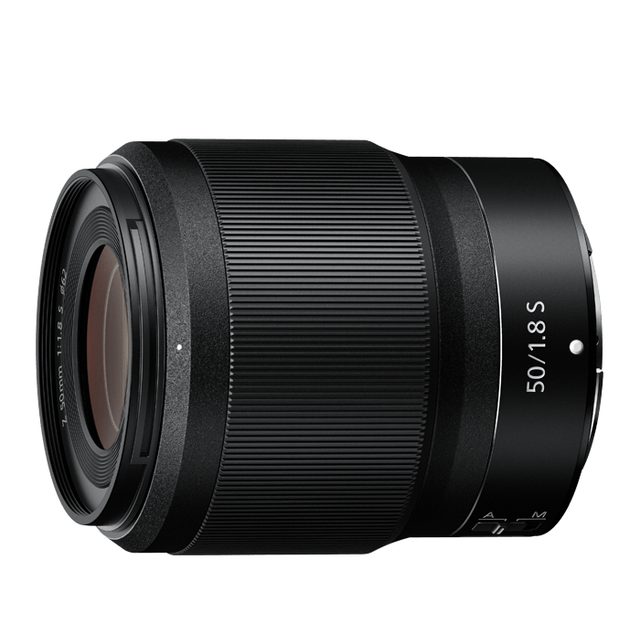 Product photograph, NikonTop pick
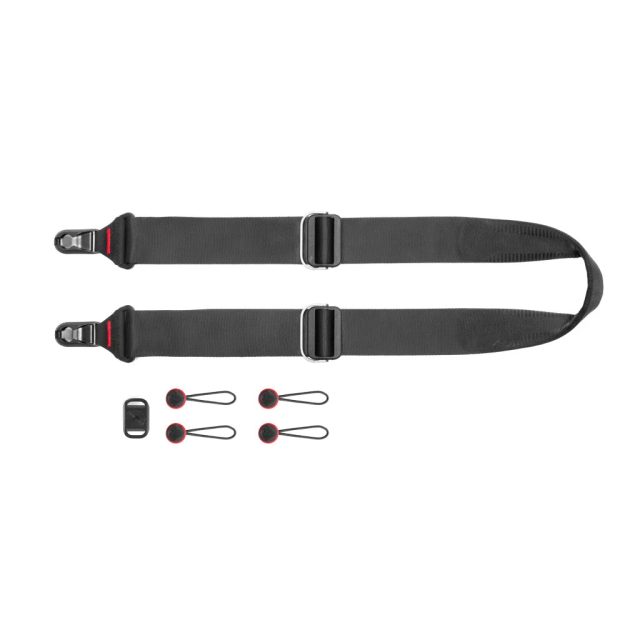 Product photograph, Peak Design
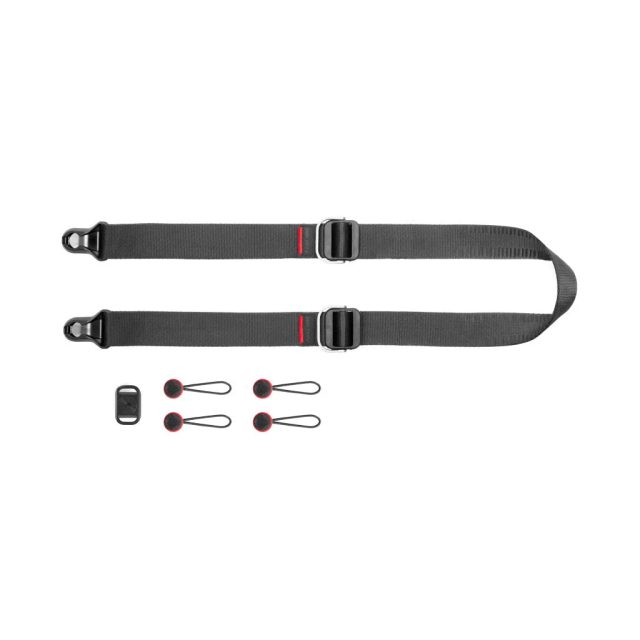 Product photograph, Peak Design
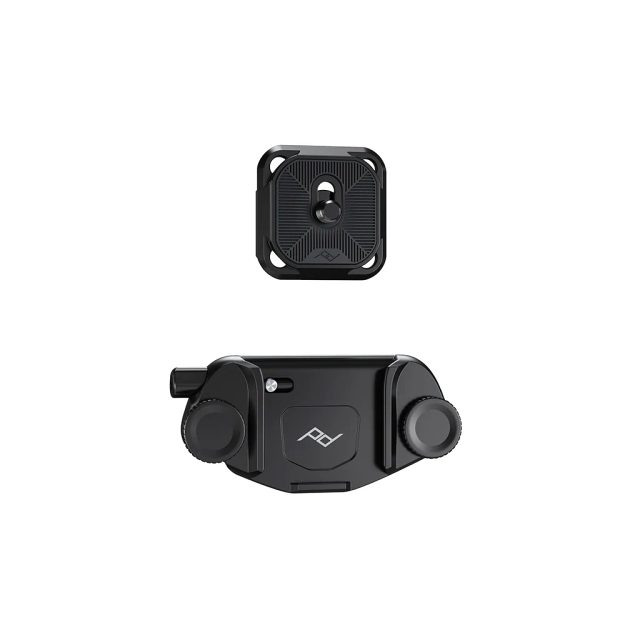 Product photograph, Peak Design
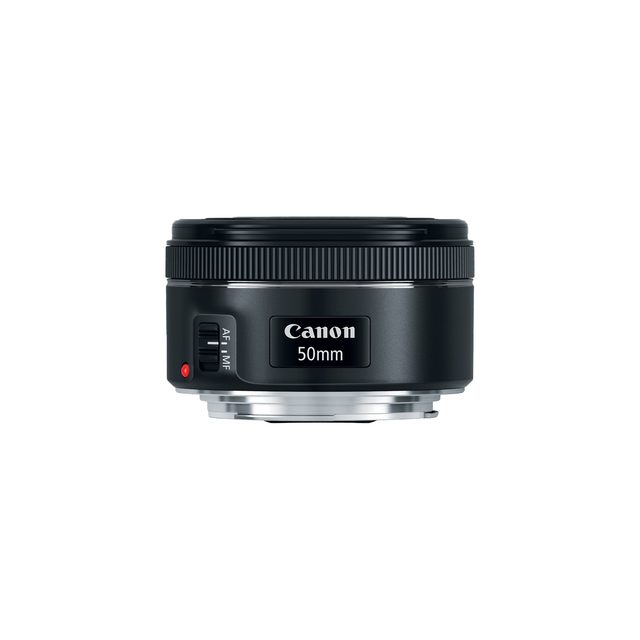 Product photograph, Canon
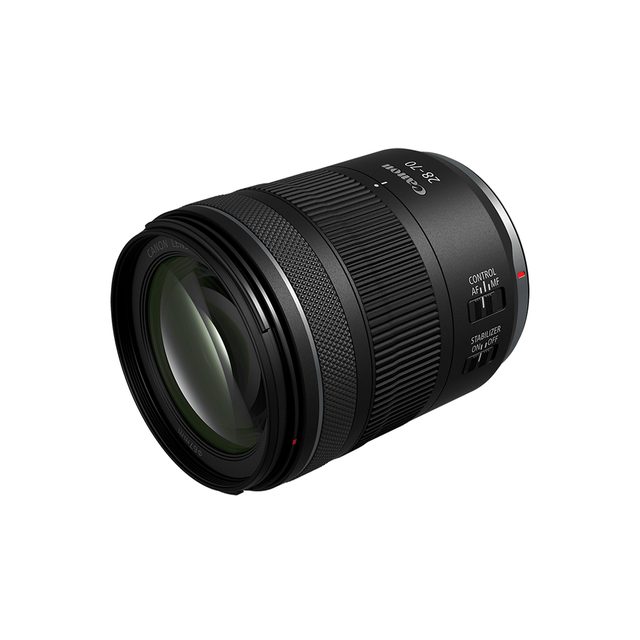 Product photograph, Canon
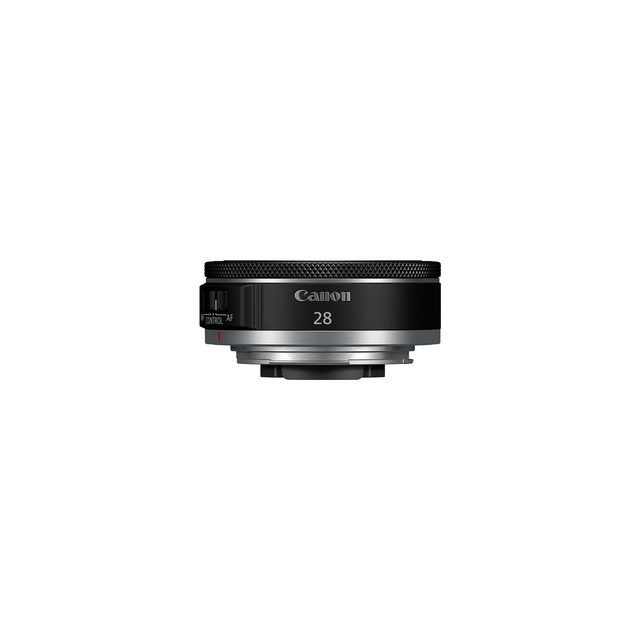 Product photograph, Canon
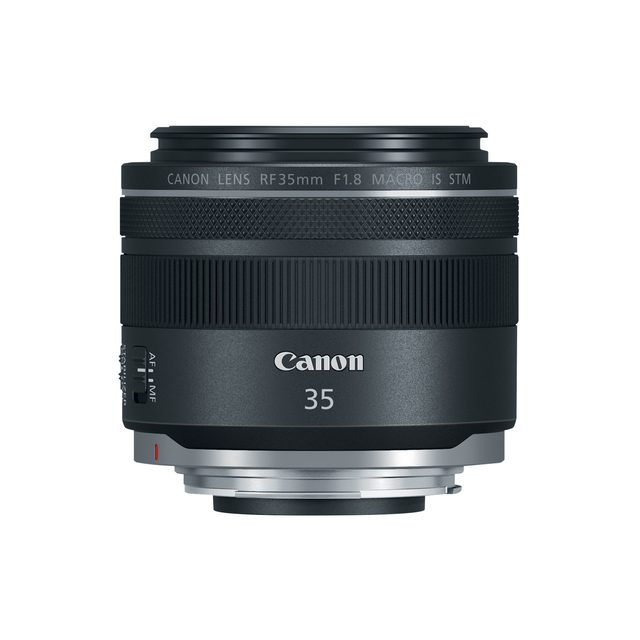 Product photograph, Canon
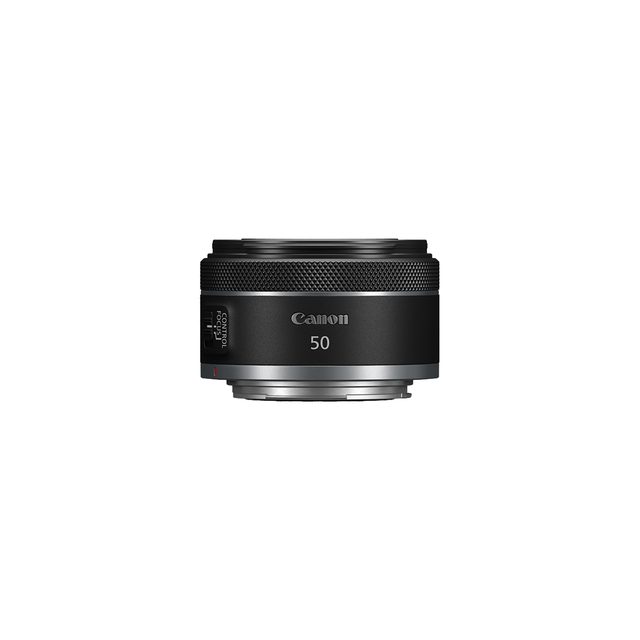 Product photograph, Canon
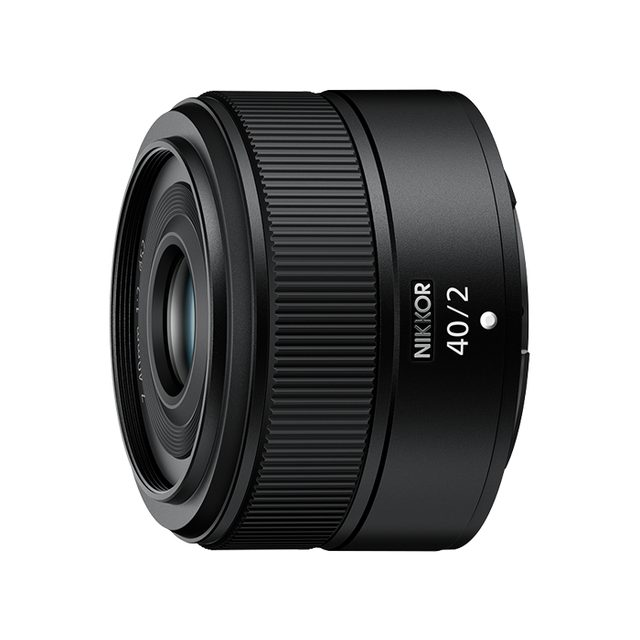 Product photograph, Nikon
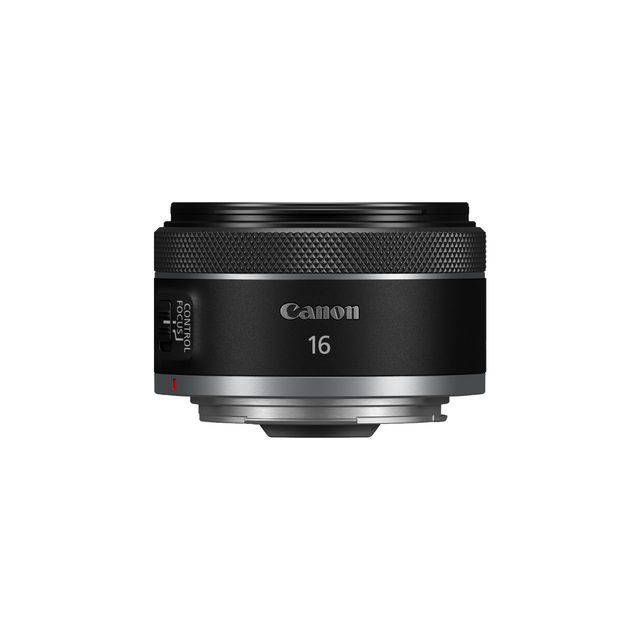 Product photograph, Canon
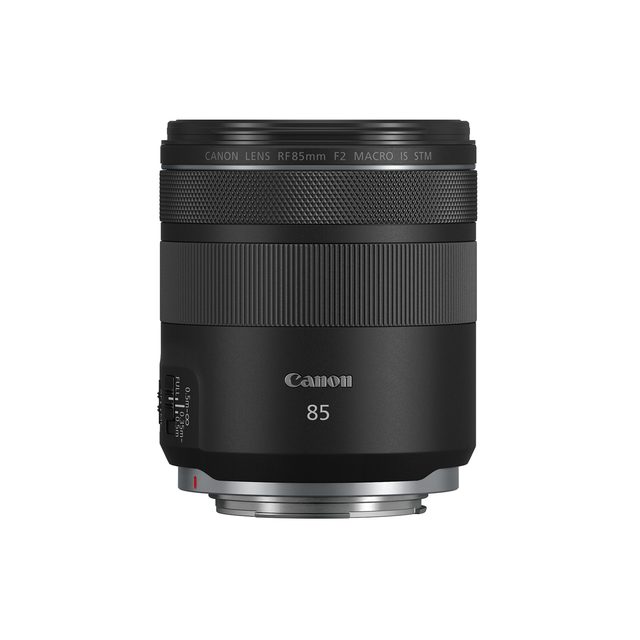 Product photograph, Canon
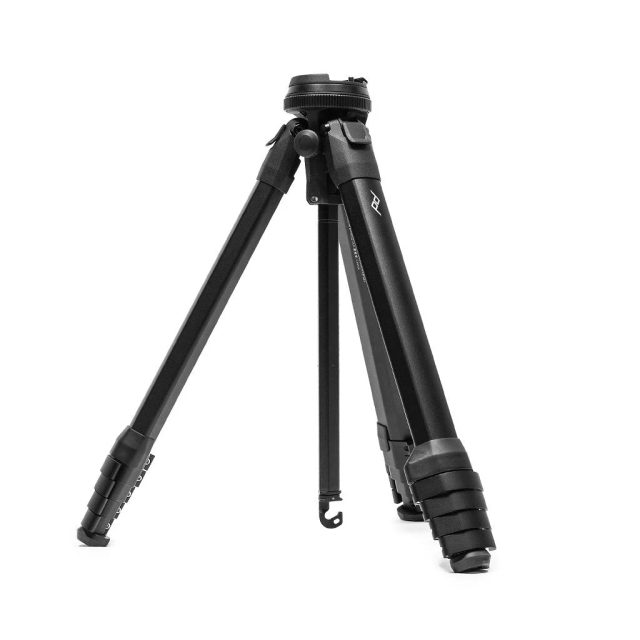 Product photograph, Peak Design