Light on the desk rather than on the screen, from bars that clip on and one lamp that outlives its bulb.
A desk lamp either washes out the screen or throws a reflection into it, and overhead lighting does both. A bar clipped to the top of the monitor throws light forward onto the desk and nothing backward onto the panel. Neither has much in it to go wrong.
Some buy links are affiliate links. If you buy through one we may earn a
commission, at no extra cost to you.
How this is funded.
At a glance: Desk Lighting picks compared, with buy links
The clip counterweights against the back of the monitor rather than clamping it, so nothing is under tension and there is nothing to crack. Asymmetric optics throw the light forward onto the desk and keep it off the panel, which is the entire reason to buy a bar instead of a lamp.
The first lamp on this page that takes an ordinary screw fit bulb, which is the thing that decides whether a light is furniture or waste: when the diode in a sealed lamp dims there is nothing to do, and here you change a bulb for a dollar. Metal body, a thick polished glass shade, and a pull chain instead of a touch panel.
Everything else on this page has its light source built in, which means the day the diodes dim the whole thing is scrap. The FORSA is the opposite: a steel body, a hinged arm, a mechanical switch and an ordinary screw socket, so the only part with a lifespan is a bulb you can buy anywhere for a couple of dollars. Nothing in it can stop being supported. The design has been made essentially unchanged since the 1970s, which is the clearest signal a maker can give that it has stopped trying to improve something. Buy it in a shop rather than from a reseller if you can: the marked-up listings are the easy way to pay double.
The Halo adds a rear facing backlight, which matters if you work in a dark room: lighting the wall behind the monitor cuts the contrast between a bright screen and a black background, and that contrast is what tires eyes out. The wireless controller is the one part here that contains a battery, which is worth knowing before paying the premium over the plain ScreenBar.
The swing arm rather than the screen bar, and a different object from the two above it: a weighted base, a jointed metal arm and a 35 inch spread that covers a whole desk rather than a monitor. CRI 95 and thirteen colour temperatures, with auto-dimming that reads the ambient light.
A brass finished arm with a cylinder head and an E26 socket in it, which puts the choice of light in your hands rather than the factory's: warm, cool, bright or dim is a bulb decision for the next thirty years. The arm adjusts by friction rather than by a spring, so there is no tension to go slack.
The only non-BenQ bar here worth recommending, and it does it across 13,861 ratings, which is four times the evidence behind any BenQ listing here. It holds 4.62. The optics are not as tightly controlled as BenQ's and the build is lighter, but it does the job at a third of the price, and the large review base means the figure is well tested rather than a sampling artefact.
Largest review base in this category
Clips over the monitor, no clamping force
Adjustable brightness and colour temperature
Powered over USB
A third the price of the BenQ bars
Weekly email
New picks, once a week.
One email a week with new picks. Unsubscribe any time.
Privacy.
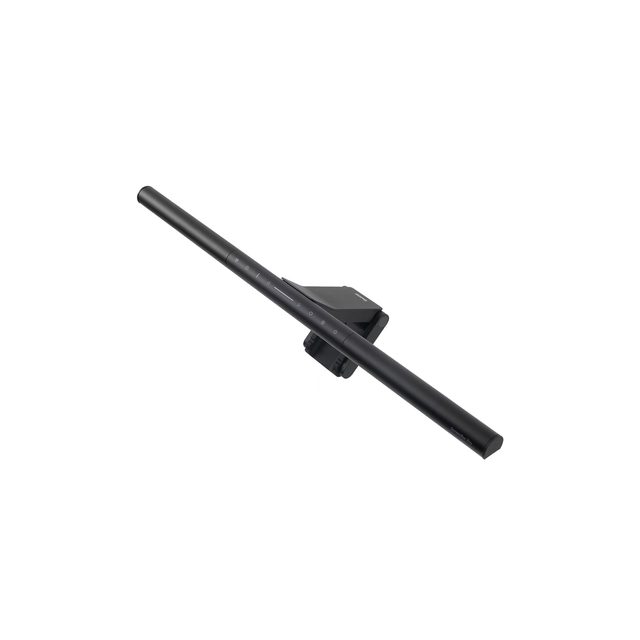 Product photograph, BenQTop pick
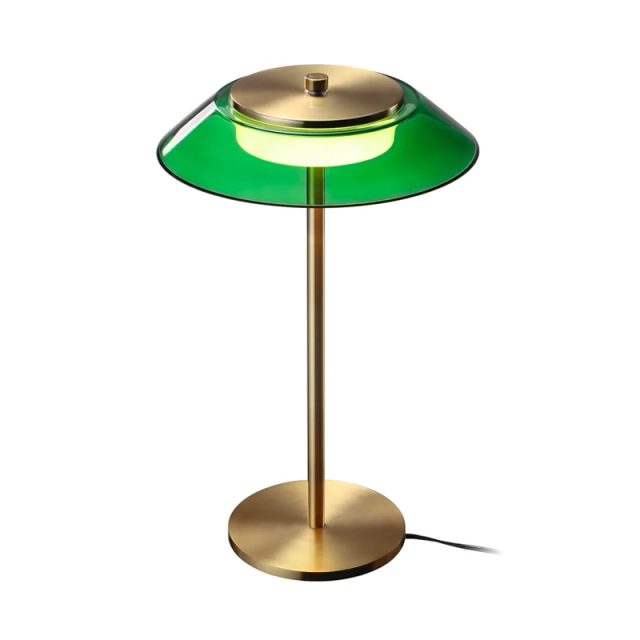 Product photograph, TORCHSTAR
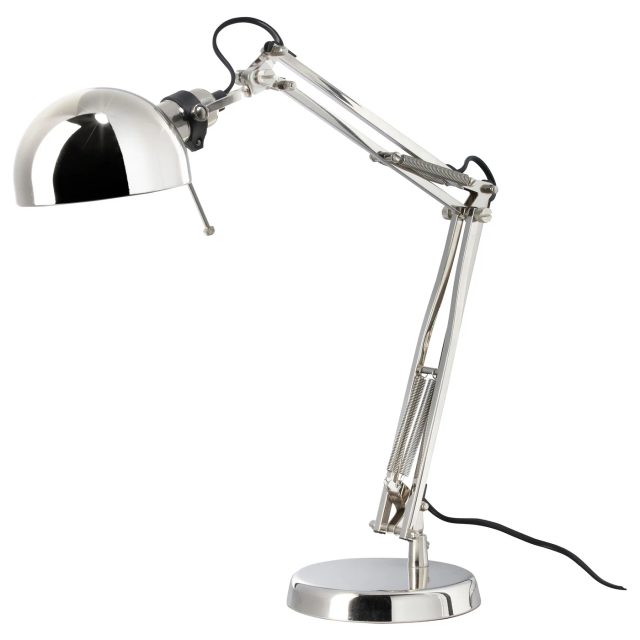 Product photograph, IKEA
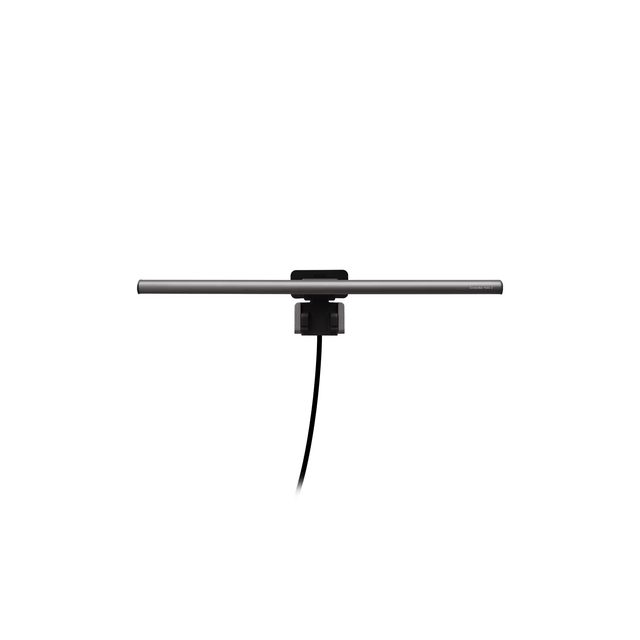 Product photograph, BenQ
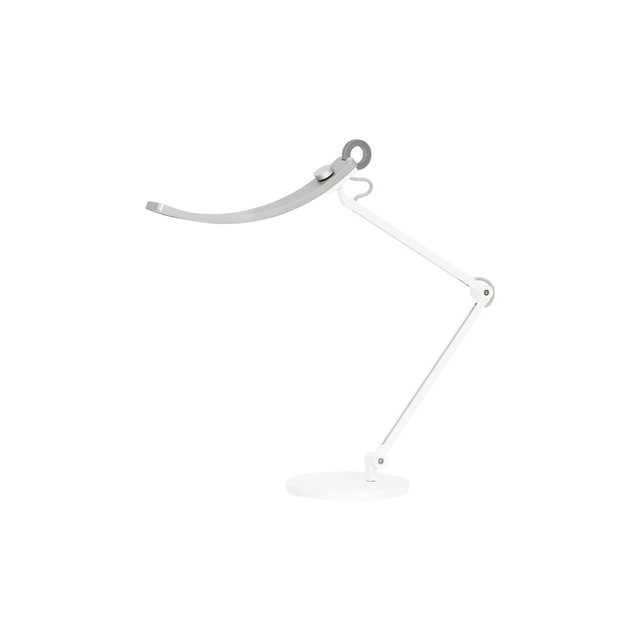 Product photograph, BenQ
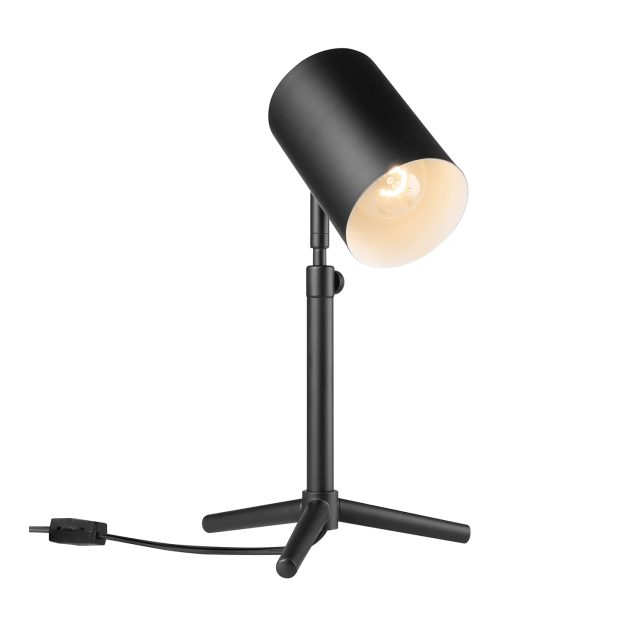 Product photograph, Globe Electric
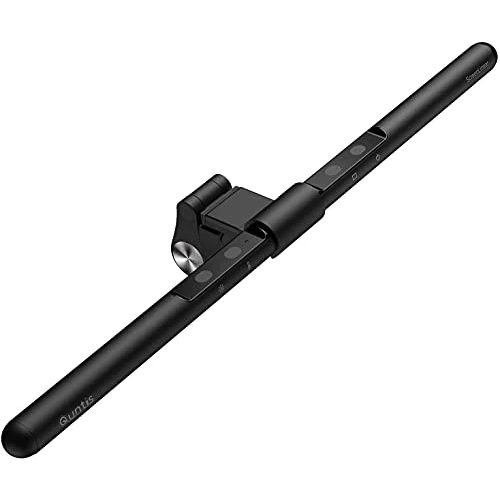 Product photograph, Quntis