Passive boxes with no battery, no firmware and no pairing, which outlive the amplifier driving them.
Every speaker here is passive: a cabinet, two drivers and a crossover, with no power going in except from the amplifier. No battery to swell, no firmware to stop being updated, no pairing standard to age out. Drivers can be re-coned and capacitors replaced, which is why thirty year old speakers are still traded and still fixed.
You will need something to drive them. A secondhand integrated amplifier costs very little and lasts nearly as long as the speakers do.
Speakers with the amplifier built in have their own page: powered speakers.
Some buy links are affiliate links. If you buy through one we may earn a
commission, at no extra cost to you.
How this is funded.
At a glance: Bookshelf Speakers picks compared, with buy links
Polk has built speakers in Maryland since 1972 and the Monitor name has been on their entry level pair for most of that time. A one inch terylene dome and a 5.25 inch driver in a ported box, with five way binding posts rather than spring clips, which matters because spring clips are the part that fails first on cheap speakers.
Klipsch has built horn loaded speakers since 1946 and the Tractrix horn in front of this tweeter is the same idea Paul Klipsch was working on then. A horn is efficient, which means these go loud on very little power and will work happily with a small or old amplifier rather than demanding a big one.
The Reference Premiere is the same horn principle as the R-51M executed properly: a cerametallic woofer, a thicker braced cabinet and a better crossover. This is the pair to buy if these are the last speakers you intend to own, and the one on this page most often kept when people upgrade everything around it.
Passive bookshelf speakers with no amplifier, power supply or firmware inside. A passive speaker is a box, drivers and a crossover, which is why they often outlast several amplifiers.
It is a three way design at a price where almost everything else is two way, which means a dedicated super tweeter rather than asking one dome to cover everything above the crossover. It has been sold unchanged for about a decade, which is the useful signal: nobody has found a reason to redesign it.
A 6.5 inch aramid fibre woofer in a braced cabinet, which is a larger driver than anything else here and the reason these reach lower without a subwoofer. ELAC has been making drivers in Kiel since the 1980s, and this generation was designed by Andrew Jones, whose whole reputation rests on making cheap speakers measure well.
6.5 inch aramid fibre woofer
Goes lower than the others here without a subwoofer
Passive: no battery, no firmware, no pairing
Braced cabinet, front ported so it can sit near a wall
Polk has sold this pair largely unchanged since 2009, which is the strongest thing anyone can say about a speaker: it is still made, still supported and still on the same shelf fifteen years after it launched, in a market where most models last two or three. A 0.75 inch tweeter and a 5.25 inch driver in a passive cabinet, so there is nothing in it that dates, and it is the cheapest way onto this page by some margin.
Passive, no amplifier or DAC inside
Sold largely unchanged since 2009
0.75 inch tweeter, 5.25 inch driver
Wall mountable
Sold as a pair
Weekly email
New picks, once a week.
One email a week with new picks. Unsubscribe any time.
Privacy.
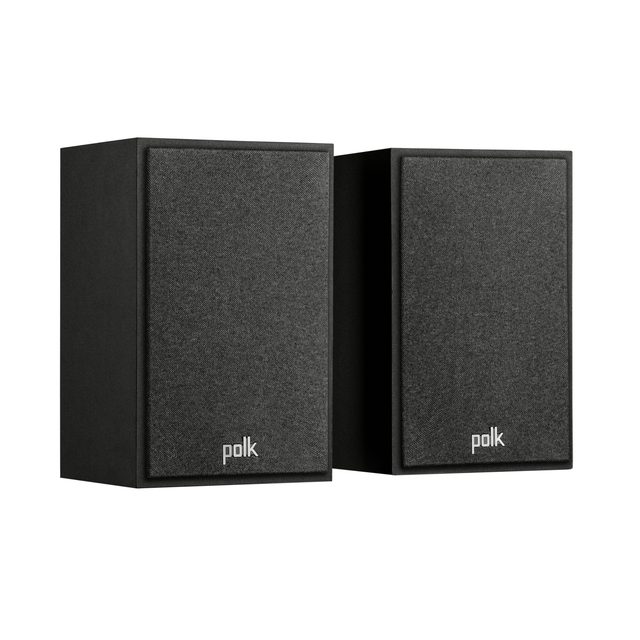 Product photograph, Polk AudioTop pick
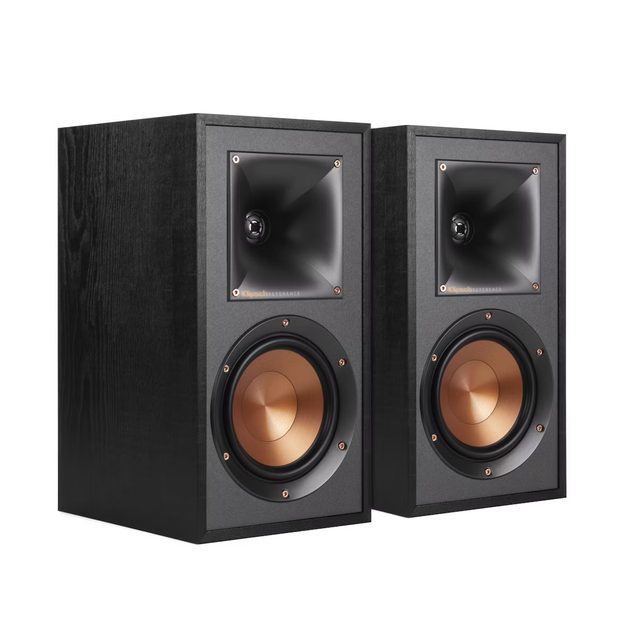 Product photograph, Klipsch
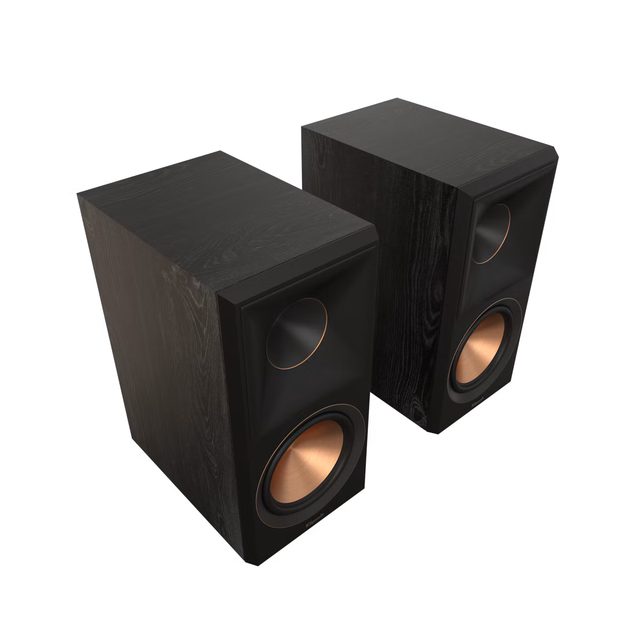 Product photograph, Klipsch
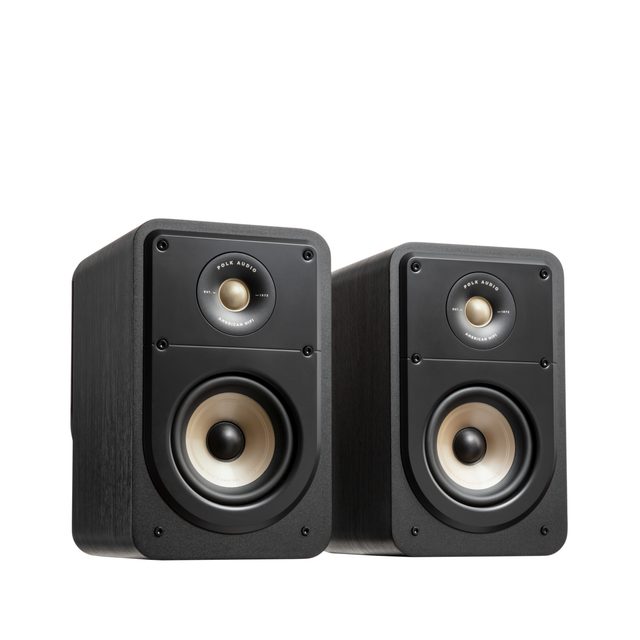 Product photograph, Polk Audio
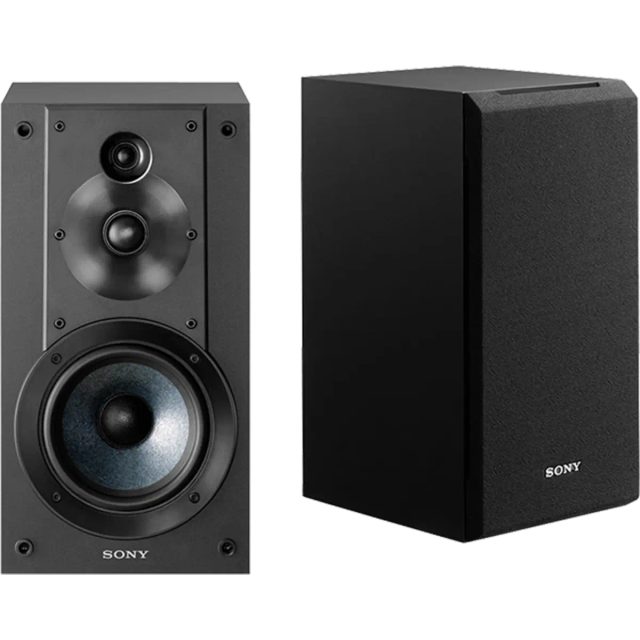 Product photograph, Sony