Sealed glass with no battery, no firmware and a warranty that outlives the owner.
A pair of binoculars is prisms, lenses and a hinge. There is nothing to charge, nothing to update and nothing to go obsolete, so the only questions are whether the seals hold and whether the maker will fix it when they do not. The brands here answer the second one in writing: dropped, flooded, run over, sent back, repaired or replaced, no receipt and no time limit.
Some buy links are affiliate links. If you buy through one we may earn a
commission, at no extra cost to you.
How this is funded.
At a glance: Binoculars picks compared, with buy links
Vortex backs every pair with a warranty it calls unconditional and means literally: no receipt, no registration, no time limit, and it covers damage you caused yourself. There is no battery, no firmware and no electronics, so the only things that can fail are the seals and the hinge, and both are repairable by the people who built them.
The Viper is where Vortex stops compromising: magnesium chassis, XR coatings, a locking diopter so the adjustment cannot drift in a pack. At twelve power this wants something to rest on, which is the honest caveat, and the same unconditional warranty applies to a pair that costs this much as to the cheapest one on the page.
Nikon has carried the Monarch name through four generations without changing what it is for, and the M7 is the one with ED glass, a field flattener and a locking diopter. Nikon services these rather than replacing them, which is a different promise from an unconditional swap and a perfectly good one for glass this well made.
The step up from the Crossfire is better glass and a wider sweet spot rather than a new feature list, which is the pattern you want in an object meant to last: the model has been sold in this form for years and the warranty behind it is the same unconditional one. Eight power is the easier pair to hold steady for anyone who does not want a tripod.
Ten power in a 32mm body, which is the pair for someone who wants reach without the bulk of a 42. Harder to hold steady than the 8x32 beside it, and that is the trade; everything else, the argon purge, the sealed body, the warranty with no expiry, is identical.
Fifty millimetre objectives are the reason to pick this over the 8x42: more light at dusk and dawn, at the cost of a heavier pair round your neck. The build is the same sealed, argon-purged, warranty-for-life proposition, so the choice between the Diamondbacks is about what you look at and when rather than about which one survives.
The Crossfire at eight power rather than ten, which is the pair to pick if you have ever found binoculars hard to hold steady. With a warranty that never expires it is the straightforward first pair.
Between the 8x28 compact and the 8x42 full size, and for most people the 8x32 is the one that gets carried and still gathers enough light at dusk. Same argon purge, same sealed body, same warranty with no expiry as the rest of the line.
The cheapest way into a warranty that never expires. The glass is a step behind the Crossfire and the body is plainer, but the seals, the purge and the repair promise are the same, which means the thing you are actually buying for life is intact. A reasonable first pair, and a reasonable pair to leave in a car.
A compact that is not a toy. The 28mm objectives give up light to the full size pairs and buy back something more useful day to day, which is a pair small enough that you actually have it with you.
The Nature DX has been the default recommendation for a first pair of birding binoculars for over a decade, and it has stayed in production unchanged long enough for that to mean something. Phase-coated BaK-4 prisms, a fully sealed and nitrogen-purged body, and close focus to around two metres.
The M5 is the M7 with the field flattener taken out and the price halved, and it keeps the parts that decide longevity: ED glass, dielectric prism coatings, a nitrogen-filled and O-ring sealed body. Four per cent of those ratings are one star, mostly reports of sample variation, so the warranty and the return window are worth using.
ED glass with dielectric prism coating
Nitrogen filled, O-ring sealed
Long eye relief for spectacle wearers
Turn-and-slide rubber eyecups
Nikon limited lifetime warranty
Weekly email
New picks, once a week.
One email a week with new picks. Unsubscribe any time.
Privacy.
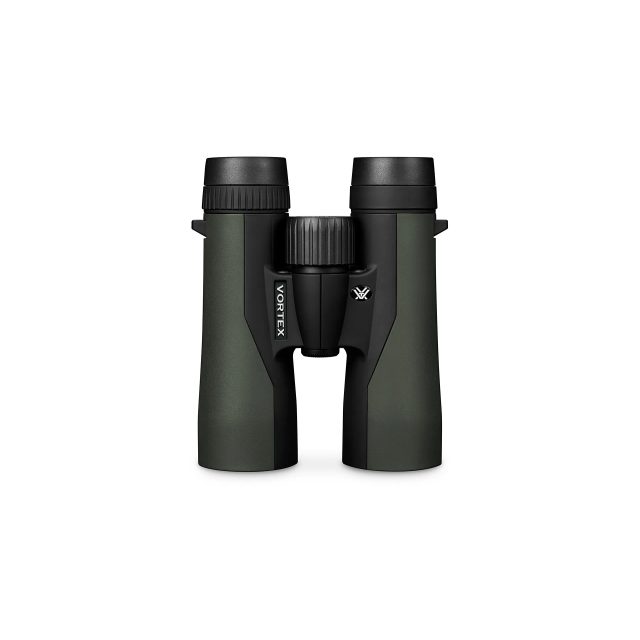 Product photograph, VortexTop pick
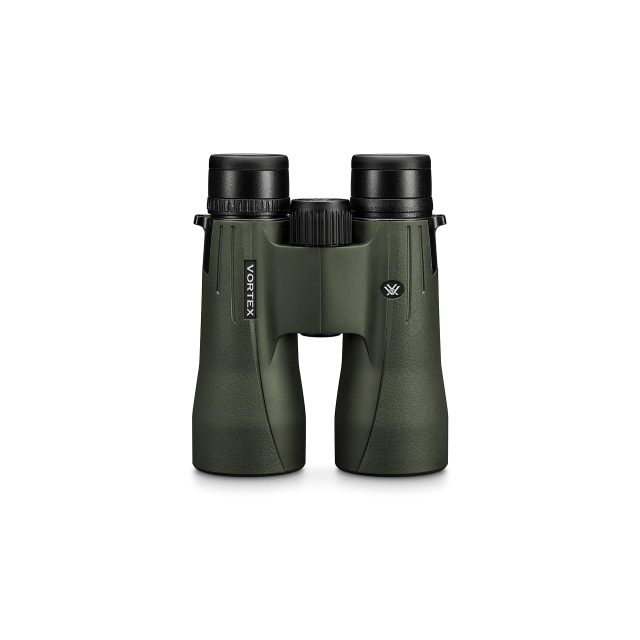 Product photograph, Vortex
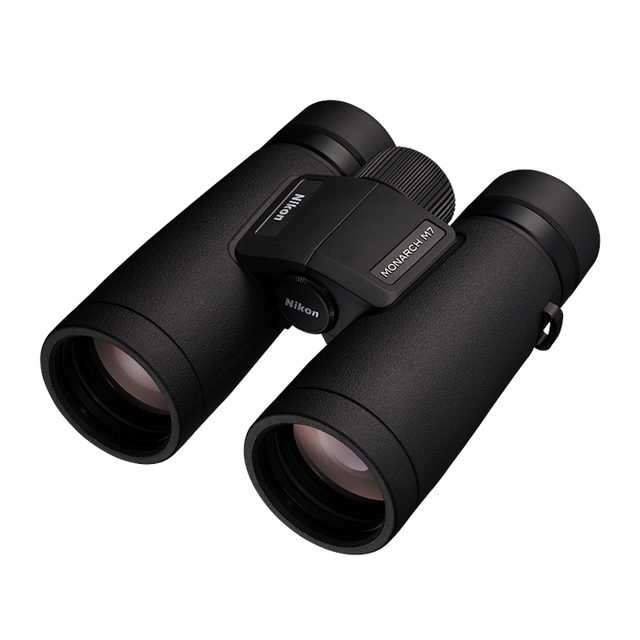 Product photograph, Nikon
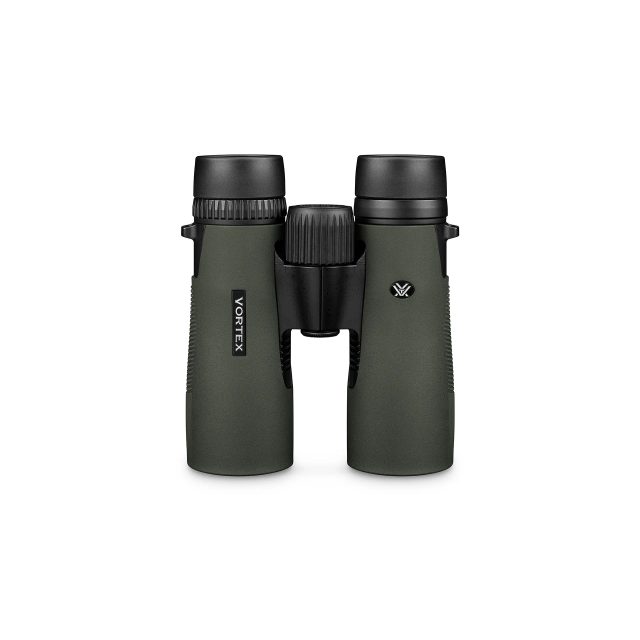 Product photograph, Vortex
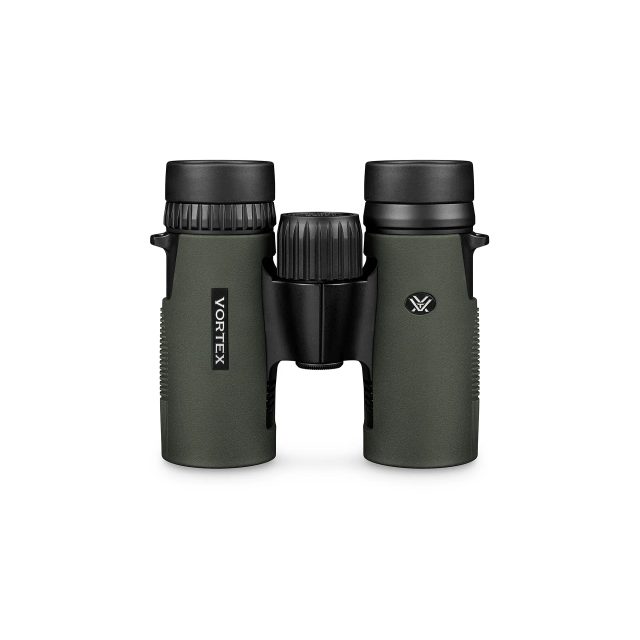 Product photograph, Vortex
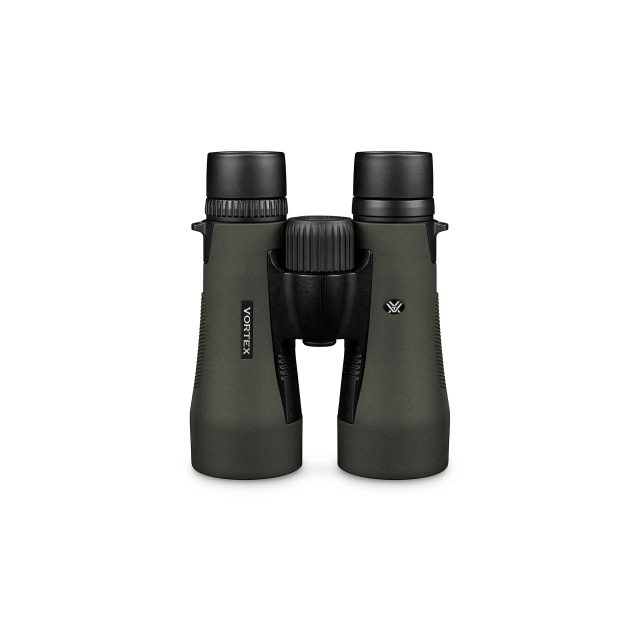 Product photograph, Vortex
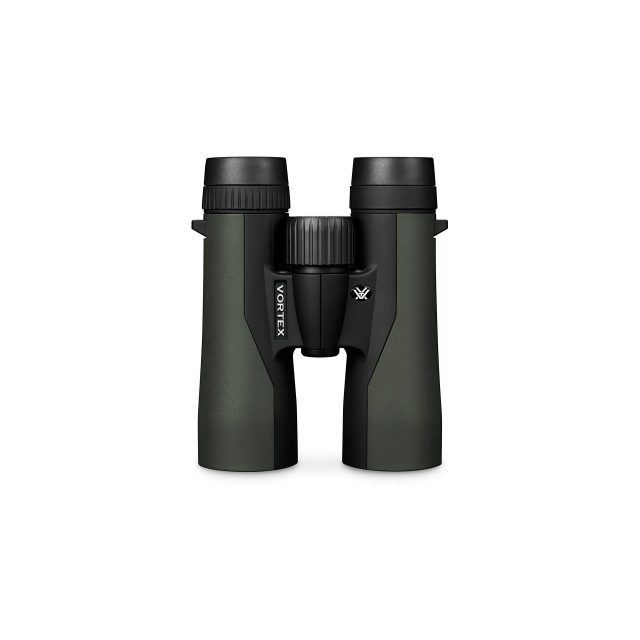 Product photograph, Vortex
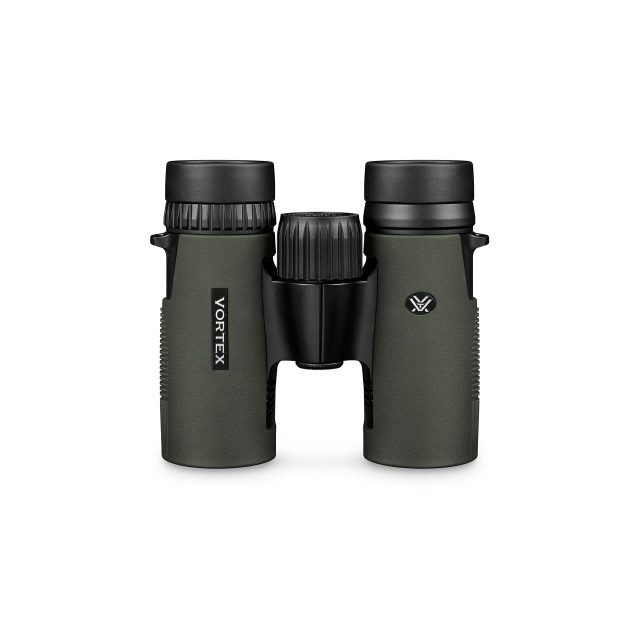 Product photograph, Vortex
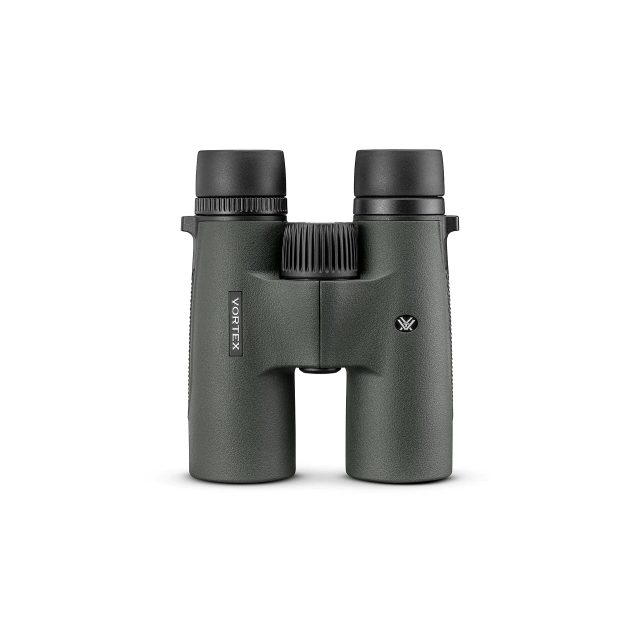 Product photograph, Vortex
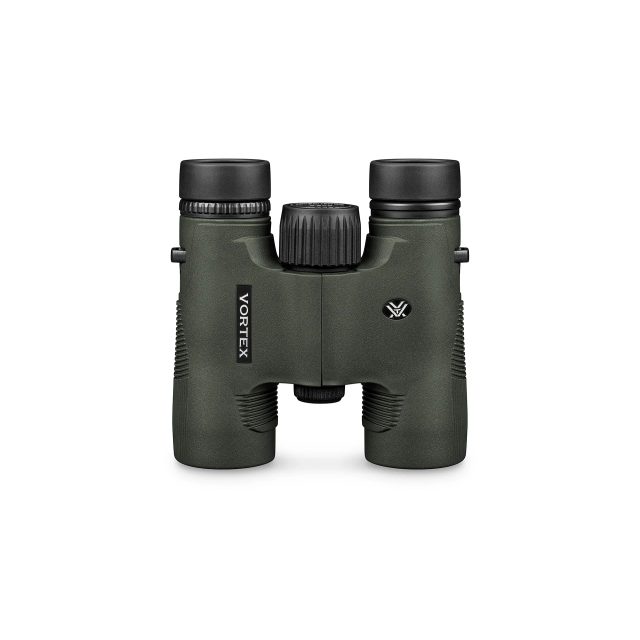 Product photograph, Vortex
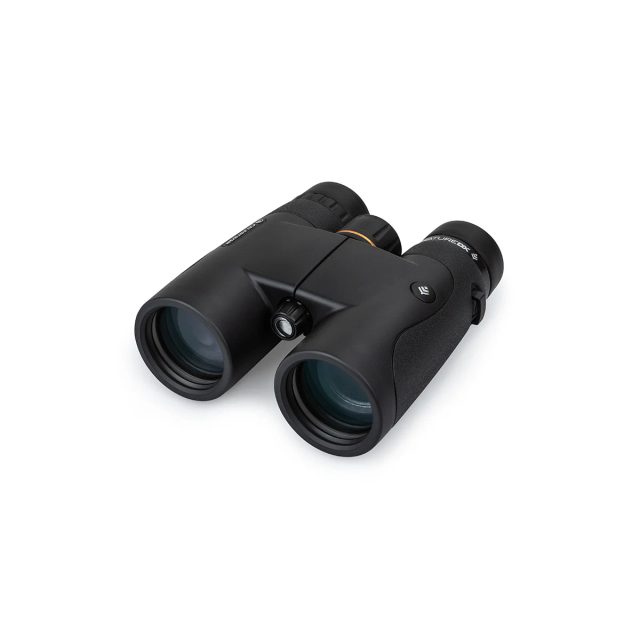 Product photograph, Celestron
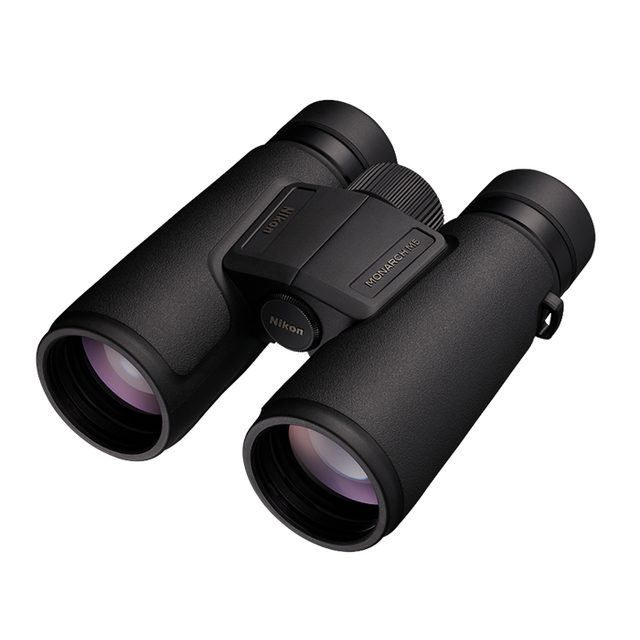 Product photograph, Nikon