Leather saddles, hardened locks and steel pumps, the parts of a bicycle that outlast the bicycle.
A bicycle is mostly consumable. Tyres, chains, cables and pads all have a mileage, and no amount of money changes that. The exceptions are the few parts with no wear cycle at all: a leather saddle, which is tensioned tighter as it stretches and takes the shape of one rider over years; a hardened lock, which either resists a tool or does not, and does not get worse with age; a floor pump with a steel barrel and a head sold as a spare. Those are the parts worth spending on.
Some buy links are affiliate links. If you buy through one we may earn a
commission, at no extra cost to you.
How this is funded.
At a glance: Bike Gear picks compared, with buy links
A single piece of vegetable tanned hide stretched between steel rails, in a catalogue since 1898 and made the same way. Leather stretches, and the answer is a tension bolt at the nose: a quarter turn every few thousand miles pulls the hammock taut again. Rails, tension pins, shackles and the spanner itself are all sold as spare parts, and the factory will refit them.
The same saddle with copper plated steelwork and hand hammered copper rivets instead of the plain hardware, which is the version people buy to look at as much as to sit on. The leather, the rails and the tension bolt are identical, so it rebuilds the same way, and the rivets are the part that ages best.
A steel barrel on a hardened steel base, which is the part that decides whether a floor pump lasts: plastic bases split at the foot and plastic barrels flex until the seal goes. The head fits Presta, Schrader and Dunlop without an adaptor to lose, and reads on a three inch mid mounted gauge rather than one down at ankle height where nobody can read it.
Five feet of ten millimetre six sided manganese steel link, ending in a hardened deadbolt rather than a padlock hasp, which closes the gap that makes most chains easy. A lock has no wear cycle: nothing in it degrades with use, so the resistance it offers in year twelve is the resistance it offered on day one. The cylinder is a disc style, which is the kind that resists picking.
A 13 millimetre hardened shackle on a double deadbolt, which is the shape that resists the two attacks that matter: a bolt cutter needs more jaw than it has, and a twist with a scaffold bar has two bolts to break instead of one. The nine inch body is deliberately small, because the less air inside a U lock the less room there is to get a tool in.
13mm hardened steel shackle
Double deadbolt resists twisting
Disc style cylinder, pick and drill resistant
Interior three and a quarter by nine and a half inches, just over 3 pounds
Three stainless keys supplied
Weekly email
New picks, once a week.
One email a week with new picks. Unsubscribe any time.
Privacy.
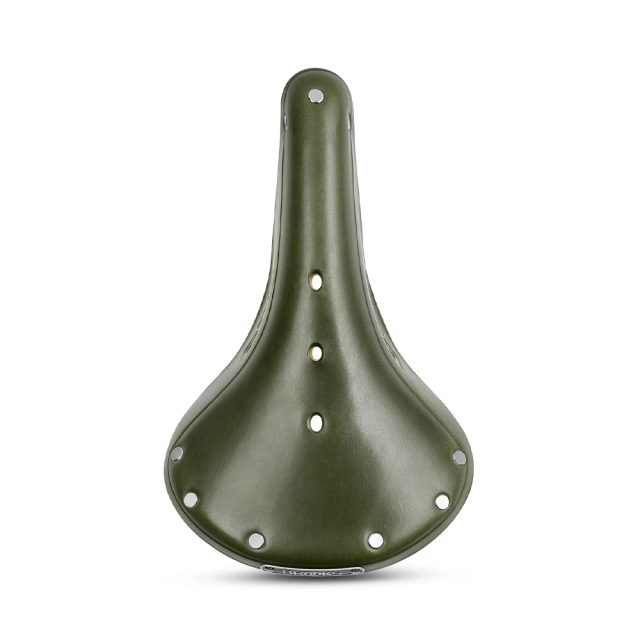 Product photograph, Brooks EnglandTop pick
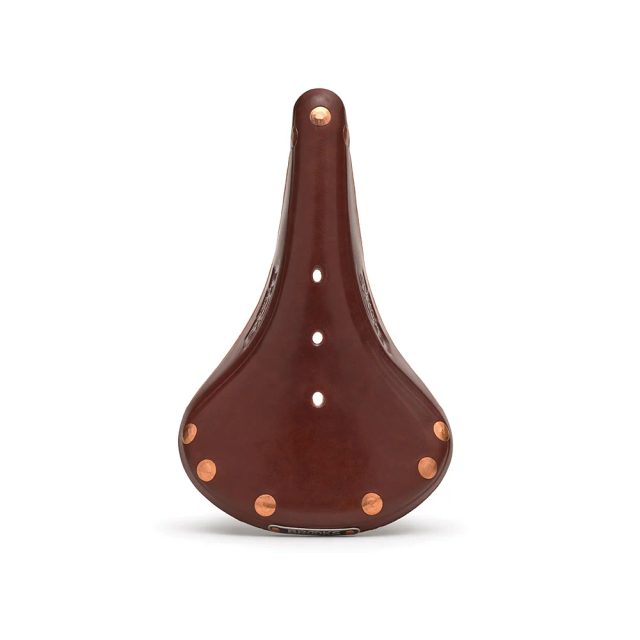 Product photograph, Brooks England
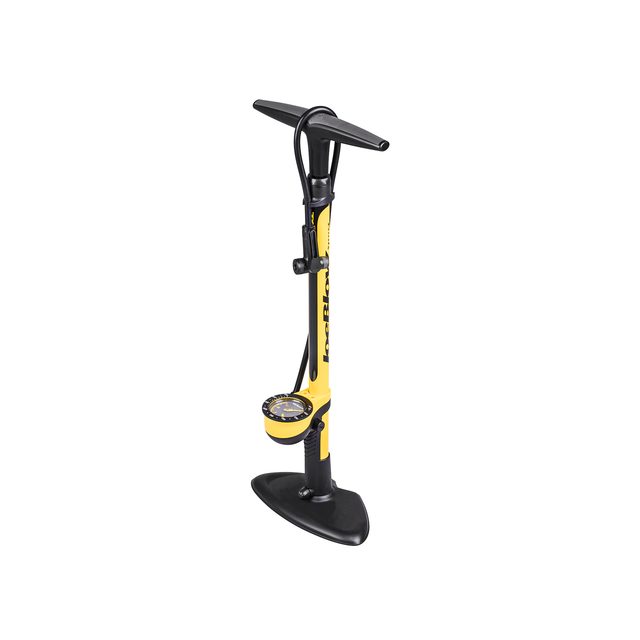 Product photograph, Topeak