Toys and games that outlast the childhood they were bought for, in steel, beech, sisal and plastic that does not perish.
A toy has a harder life than most things in a house and a shorter one, because most are built to survive a season of enthusiasm rather than a childhood. The ones here are the opposite: pressed steel, beech, sisal and plastic moulded so precisely that a brick from 1958 still grips one made this morning. None needs a battery and none has a speaker. The two dartboards are here on the same argument: a sisal face closes behind the dart rather than filling with holes.
Some buy links are affiliate links. If you buy through one we may earn a
commission, at no extra cost to you.
How this is funded.
At a glance: Toys and Games picks compared, with buy links
Magnets sealed inside solid ABS with ultrasonic welds rather than glue, so there is no seam to split and nothing to come loose in a mouth. A set bought for a three year old is still a set when they are twelve, and sets bought a decade apart still click together.
A steel bed, hardwood stakes and real rubber tyres on the wagon Radio Flyer has built since 1917. The stakes come off to make a flatbed, the wheels are serviceable, and the thing that usually ends a wagon's life is a plastic axle it does not have.
A brick moulded in 1958 still clutches a brick moulded this morning, which is the longest backward compatibility any product in this house can claim. ABS does not perish, the bricks are washable, and a box of them outlives the child it was bought for.
Sixty unit blocks cut from solid hardwood in the proportions Caroline Pratt set a century ago, where every shape is a simple fraction or multiple of the basic unit, so towers actually meet and bridges actually span. Unfinished wood has no paint to chip and no electronics to die, and a set survives three childhoods and goes to the next family.
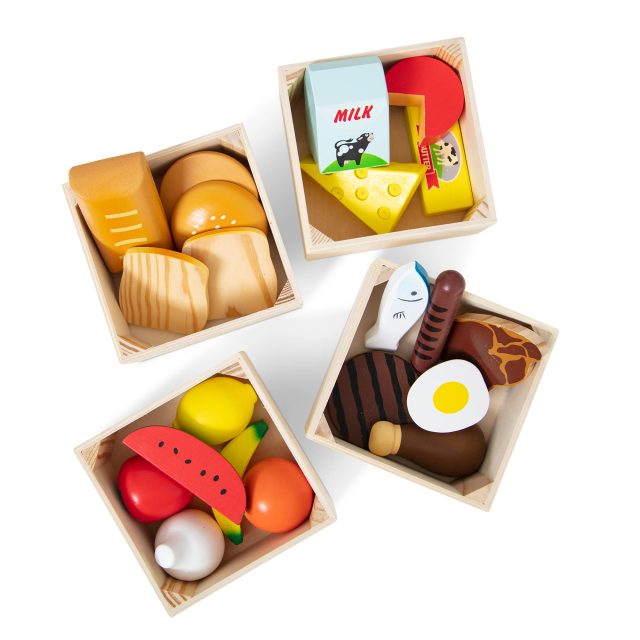
Twenty-one pieces of solid wood in a wooden crate, painted rather than printed, which is why this set is the one that turns up in nurseries twenty years old. There is nothing to break because there are no moving parts.
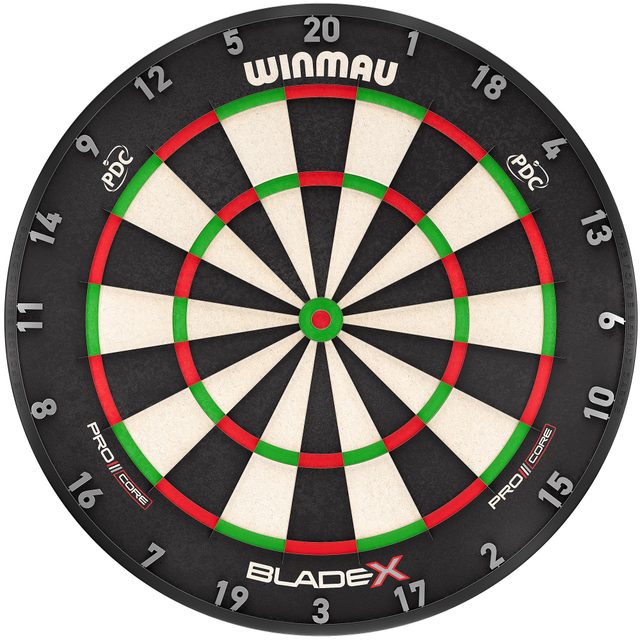
Compressed sisal built to tournament specification, which means the fibres close behind the dart instead of taking a hole, so the face wears evenly over years rather than shredding where the treble twenty is. The wiring is the other half: ultra thin, so a dart that would bounce off a round wire slides past it instead.
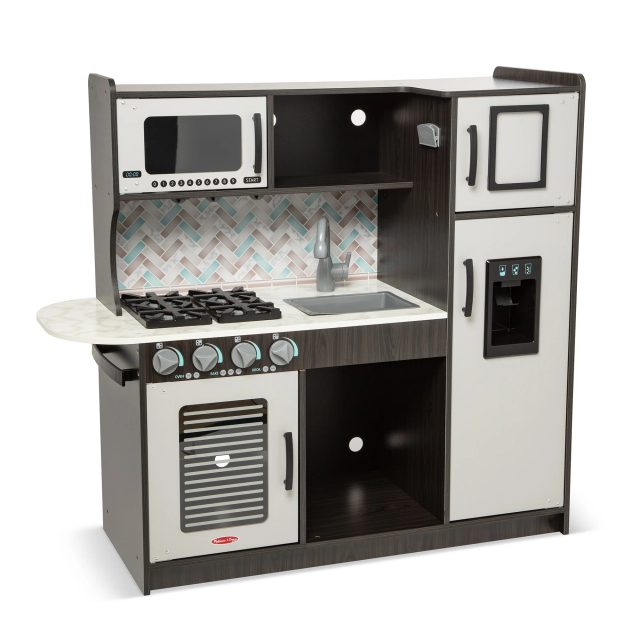
Wood rather than the moulded plastic most play kitchens are, with doors on real hinges, dials that turn and a microwave plate that spins because a child turned it rather than because a motor did. Nothing in it needs a battery, so nothing in it stops working.
Wood construction, not moulded plastic
Doors and drawers on real hinges
Ice dispenser works by hand, with two wooden cubes
Dials turn and the microwave plate spins, mechanically
No batteries and no electronics
Assembles with a screwdriver, and comes apart again
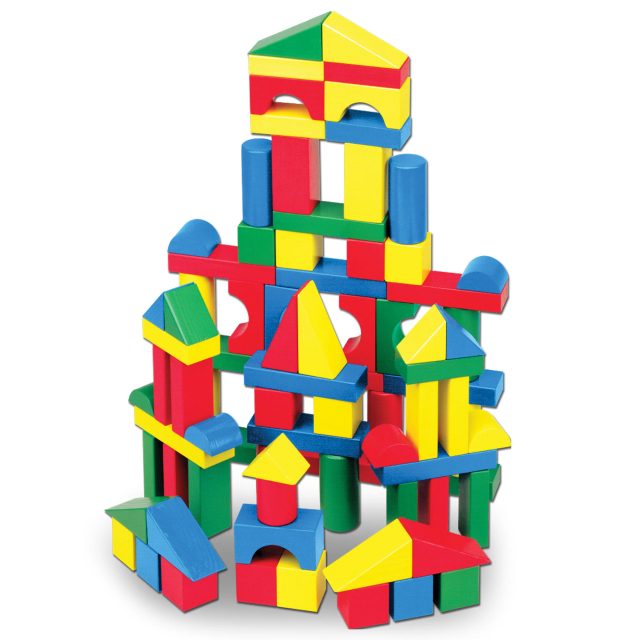
A hundred solid wood blocks in nine shapes and four colours for the price of a takeaway, which makes this the cheapest thing on the site that will still be in use in twenty years. Solid wood rather than pressed board, so a chewed corner is a chewed corner rather than a swollen one, and the set is certified to the Forest Stewardship Council standard.
Beech track cut to a profile BRIO has not changed since 1958, so a set from a loft still fits a set bought today. There is nothing in it but wood, a magnet and a wheel, and the wood is FSC certified rather than the ply most competitors use.
Swiss-made, with three wheels and a lean-to-steer deck rather than a turning handlebar, and every part on it is ordered individually: wheels, bearings, deck, T-bar. A scooter normally dies when a wheel wears flat, which here costs a few dollars.
Every part sold individually, down to the bearings
Pressed steel with a moving bed and no electronics, which is the same toy Tonka has sold since the 1960s and the reason people still have their father's. Left outside for a winter it rusts; it does not break.
A steel frame, no pedals, no chain and no brake, so the only things that can wear are the tyres and the grips and both are sold as parts. The seat post and bars extend as the child does, which is how one bike covers eighteen months to five years and then the next child.
The board the Professional Darts Corporation uses, with a staple free construction throughout: no staples at the bullseye and none under the wire, which removes the places where an older board loosens and starts throwing darts back. The wire is thirty percent thinner than round wire, which enlarges every scoring bed slightly.
Endorsed and used by the PDC
Staple free, including the bullseye
Wire 30 percent thinner than round
Sisal face, self healing
Weekly email
New picks, once a week.
One email a week with new picks. Unsubscribe any time.
Privacy.
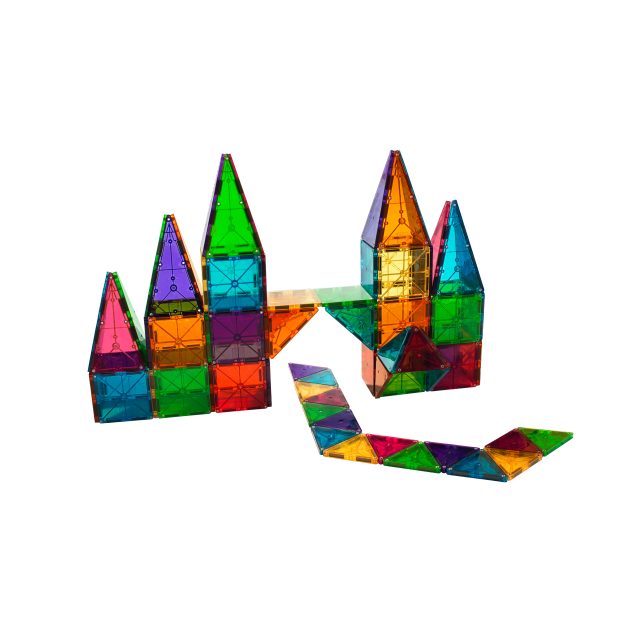 Product photograph, Magna-TilesTop pick
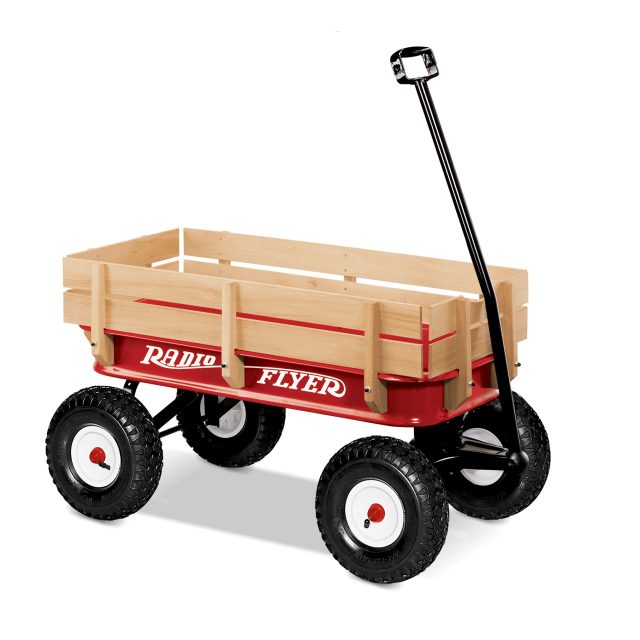 Product photograph, Radio Flyer
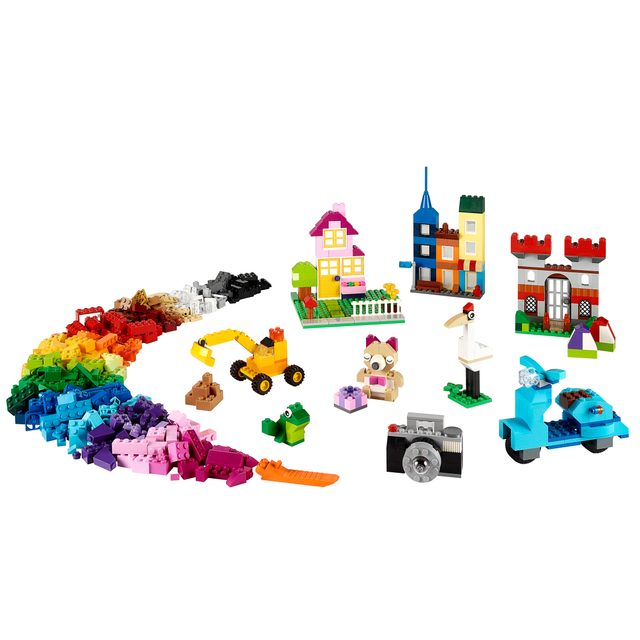 Product photograph, LEGO
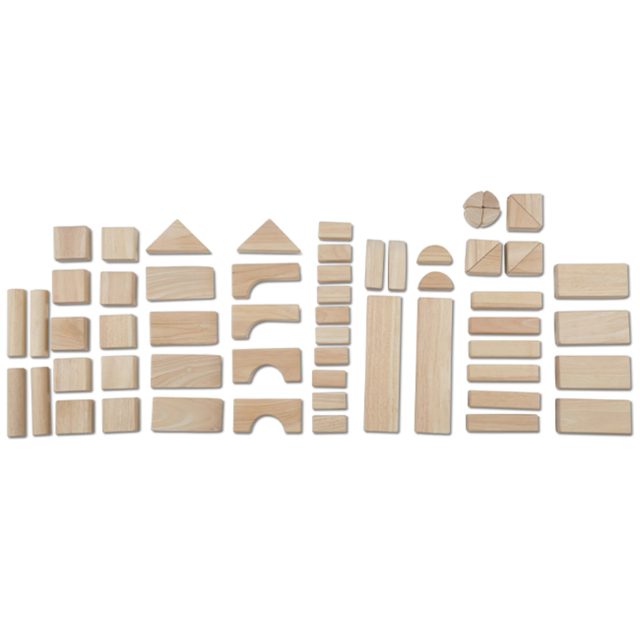 Product photograph, Melissa & Doug
 Product photograph, Melissa & Doug
 Product photograph, Winmau
 Product photograph, Melissa & Doug
 Product photograph, Melissa & Doug