Eight inch chef's knives that can be sharpened back to new for decades.
The one knife that does most of the cutting. Forged or stamped, German or Japanese, a good chef’s knife is steel that can be sharpened back to new on a stone, steeled between uses and, from the better makers, reground at the factory. Wash it by hand, keep it off glass, and it will outlast the kitchen.
Some buy links are affiliate links. If you buy through one we may earn a
commission, at no extra cost to you.
How this is funded.
At a glance: Chef's Knives picks compared, with buy links
Victorinox has made this knife in Switzerland since the 1990s, and it has beaten knives costing 5-10x as much in blind professional tests for over a decade running. The high-carbon stainless blade takes an edge easily and the non-slip Fibrox handle doesn't crack or degrade. This is the knife culinary schools issue to students because it survives years of hard use and can be professionally resharpened indefinitely.
Forged from one piece of stainless in Solingen, with a full bolster and a tang that runs the length of the handle, which is what makes a knife this heavy feel balanced instead of blade heavy. The Classic line has been made to the same pattern for decades and the factory will regrind one sent back to it. Thicker and softer than a Japanese blade, which means it takes an edge more easily and holds it less long.
One piece of steel from tip to butt, which removes the joint every other knife on this page has. There are no scales to loosen, no rivets to work free and no gap at the bolster for water to sit in, so the failure that retires a kitchen knife after twenty years cannot happen to it. The dimpled hollow handle is filled with sand to balance it.
A Japanese chef's knife with a VG-MAX steel core clad in layered steel, and a D-shaped handle. Shun offers free sharpening for the life of the knife, which removes the usual reason good knives stop being used.
The forged German alternative to the Victorinox above, at roughly three times the money. Wusthof grinds the Classic Ikon from a single piece of high carbon steel with a full bolster and a double bolster handle, which is heavier in the hand and holds an edge noticeably longer than a stamped blade. Buy this if you cook daily and sharpen rarely; buy the Victorinox if you would rather spend the difference on a sharpener.
A forged German steel chef's knife with a full tang and a moulded handle that does not crack or come loose. It is a common choice in culinary schools, where knives get hard daily use.
The stamped version of the same geometry in the same high carbon stainless: laser cut from sheet rather than forged, which costs it the bolster and some of the heft and saves a hundred dollars. The steel and the heat treatment are what decide how long an edge lasts, and those are shared with the forged line.
The eight inch chef's knife in the same house's cheaper line: high carbon molybdenum steel at 2mm, which is thinner than almost anything western and is why it cuts the way it does. Pakka wood handle, full taper, and an edge that comes back on a stone rather than needing a service.
The same blade with a moulded handle instead of the Fibrox one, which is a matter of grip rather than of quality: a little more shape, a little less rubber. Same Swiss stainless and the same easy sharpening.
A VG10 core clad in softer stainless, which is the construction that makes a Japanese knife worth resharpening rather than replacing: the hard core takes and holds a thin edge, and the cladding absorbs the knocks that would chip it. Thinner behind the edge than the German knives on this page, so it needs a little more care and rewards it.
VG10 core, stainless clad
Resharpenable rather than disposable
Made in Japan
Thinner behind the edge than a German knife
Listing states a life warranty
Weekly email
New picks, once a week.
One email a week with new picks. Unsubscribe any time.
Privacy.
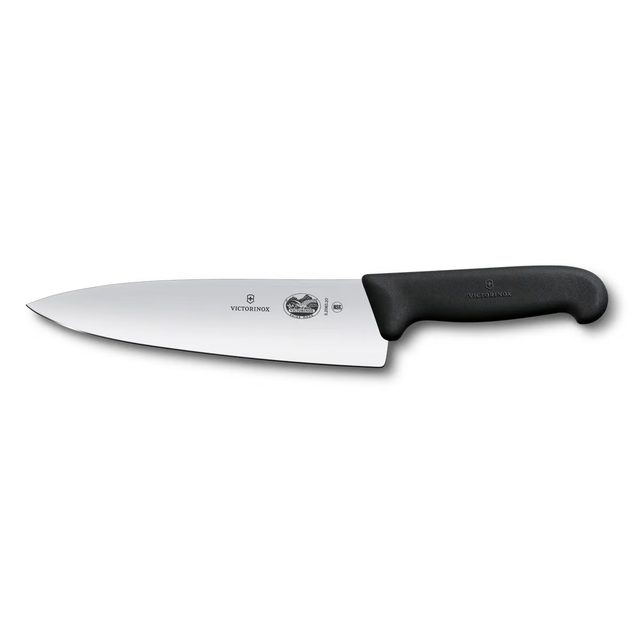 Product photograph, VictorinoxTop pick
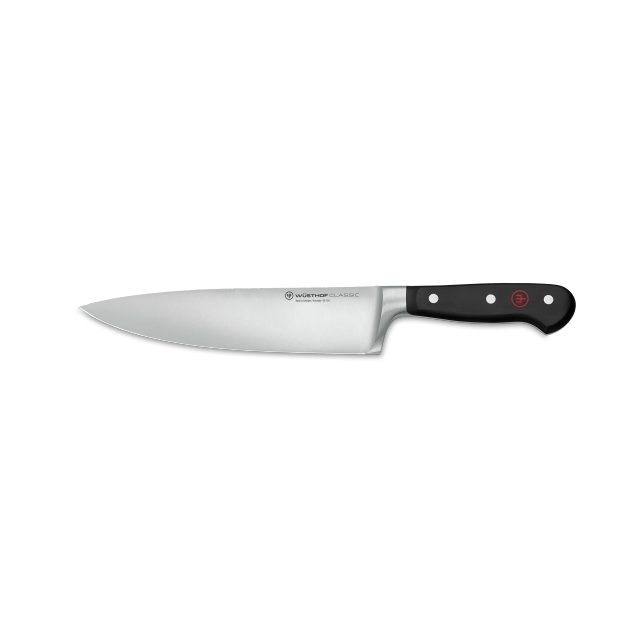 Product photograph, Wüsthof
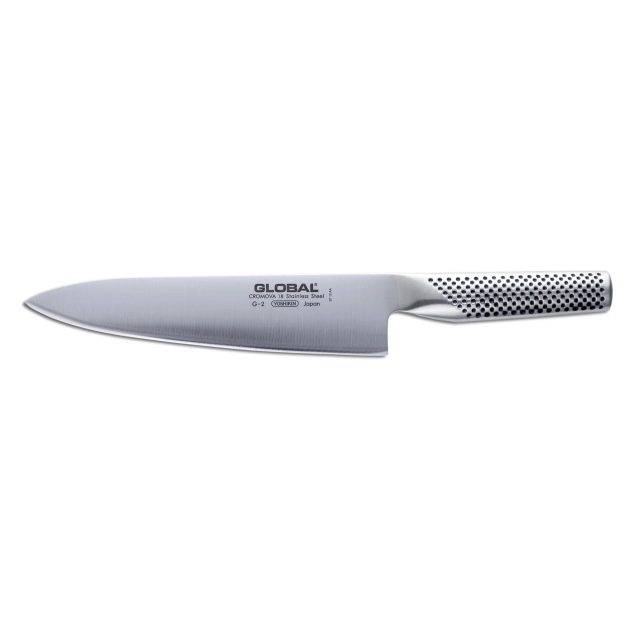 Product photograph, Global
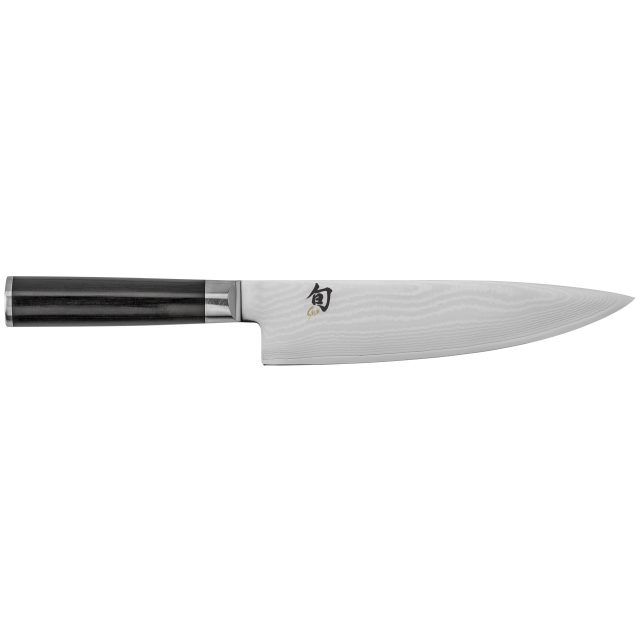 Product photograph, Shun
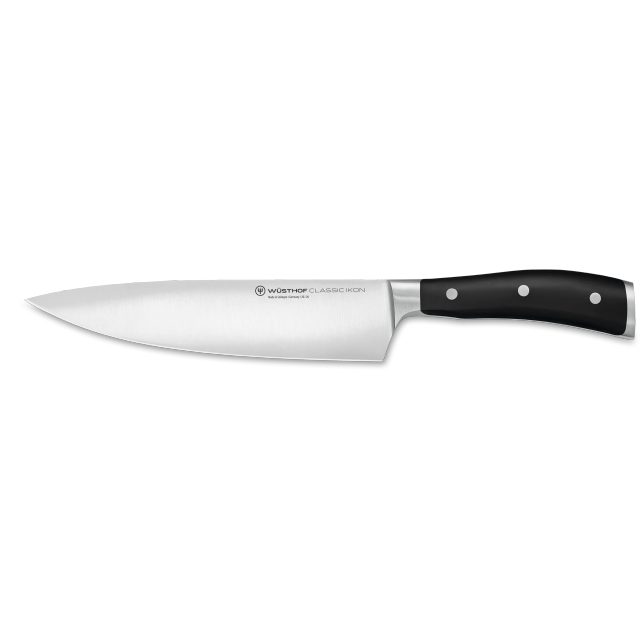 Product photograph, Wüsthof
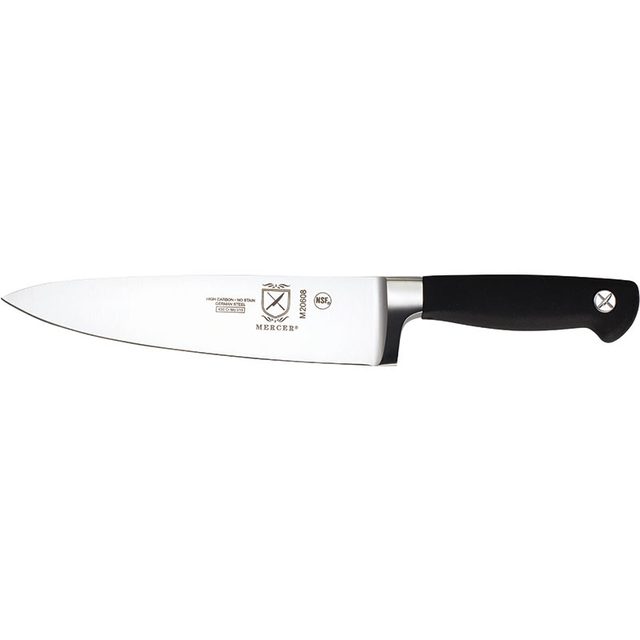 Product photograph, Mercer Culinary
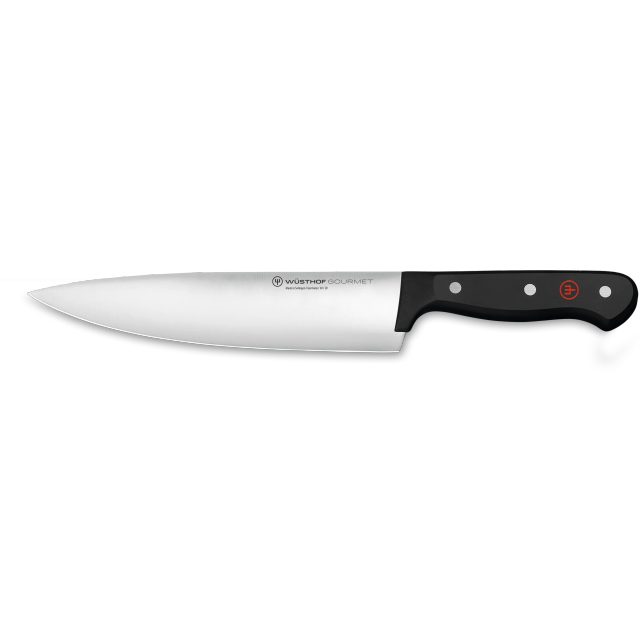 Product photograph, Wüsthof
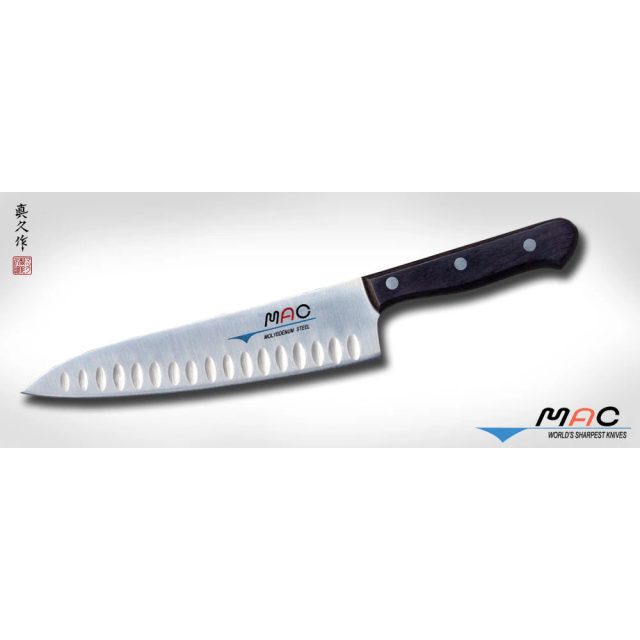 Product photograph, Mac Knife
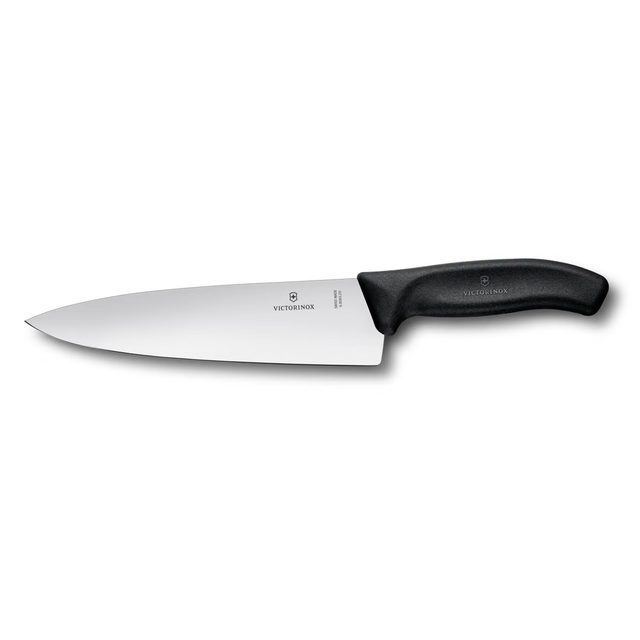 Product photograph, Victorinox